


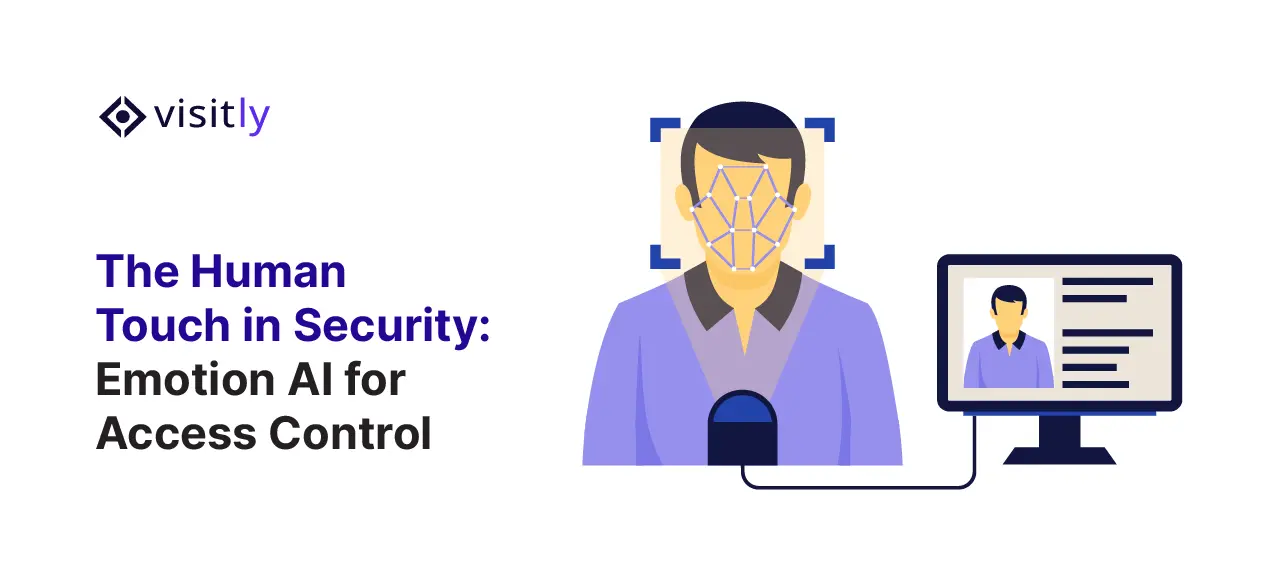
Workplace security is becoming increasingly complex, with traditional access control methods such as keys, ID cards, and even biometric scans no longer enough to stop threats.
Traditional methods confirm identity, but they cannot detect intent or emotion, highlighting the growing importance of AI in these systems for more intelligent threat detection.
- More than 70% of organizations still rely on outdated systems, such as cards and PINs, which are easily misused.
- Insider threats are responsible for over one-third of workplace security breaches, often unnoticed by current systems.
This is the core problem: access control verifies who a person is, but fails to detect how they feel or why they are entering. Emotional triggers such as stress, aggression, or harmful intent often go undetected.
The solution is Emotion AI. Analyzing facial expressions, vocal tone, and body cues adds an intelligence layer to access control. Gartner forecasts that by 2027, 30% of organizations will adopt AI-driven emotional and behavioral analytics as part of their workplace security.
This blog explains how AI in access control systems has evolved, why Emotion AI is the next step in workplace protection, and why Visitly’s visitor management system with access control is the best choice for facilities preparing for the future.
What Is Emotion AI in Access Control Systems?
Emotion AI, also known as affective computing, is a branch of artificial intelligence that recognizes and interprets human emotional states. When integrated into automated access control systems, it moves beyond traditional identity verification to assess a person’s intent and emotional state in real time. This technology uses a combination of advanced sensors and AI algorithms to analyze subtle human cues that are invisible to conventional security systems.
Unlike traditional biometrics (like fingerprints or facial recognition) that only confirm who a person is, Emotion AI answers the crucial question of how they feel and why they might be at an entry point. It’s a predictive security tool that helps security teams identify and mitigate potential risks before they escalate into a threat.
This technology isn’t just theoretical; it’s already being used to add a layer of human-like intuition to various fields.
- Healthcare: Detecting early signs of depression or anxiety in patient interactions.
- Retail: Gauging customer satisfaction by analyzing facial expressions and engagement.
- Law Enforcement: Aiding in real-time threat assessment during surveillance or interrogations.
- Workplace Security: Flagging unusual stress or malicious intent in employees or visitors at entry points.
By pairing Emotion AI with existing access control systems, facilities can create a more innovative, more proactive security framework that safeguards assets and people more effectively.
10 Ways Emotion AI Is Transforming Access Control Systems
Emotion AI is transforming the benefits of access control systems by adding a new layer of intelligence to workplace security. By analyzing facial expressions, body language, and micro-behaviors it enables real-time threat detection, adaptive access, and predictive risk management.
Here are 10 ways Emotion AI in access control systems is enhancing security, improving operational efficiency, and shaping the future of workplace management.

1. Real-Time Threat Detection
Emotion AI observes facial expressions, body language, and micro-expressions to spot suspicious behavior immediately. This allows security teams to act before incidents escalate. Continuous monitoring ensures no risky behavior goes unnoticed.
Why it matters:
- Prevents potential workplace threats
- Alerts security teams instantly
- Reduces reliance on manual monitoring
- Builds a safer workplace environment
- Enhances situational awareness
2. Adaptive Access Permissions
Emotion AI adjusts access levels dynamically based on behavioral cues or emotional signals. Unauthorized or high-risk individuals can be restricted without manual intervention. This ensures security policies are enforced consistently.
Why it matters:
- Limits access to sensitive areas
- Improves compliance with safety protocols
- Supports modern workplace management trends
- Reduces human error in access decisions
- Enhances operational efficiency
3. Integration with Contactless Technology
Emotion AI works with facial recognition, QR code check-in, and mobile credentials for seamless contactless technology access. Visitors and employees can enter without physical touchpoints. This promotes both safety and convenience in high-traffic areas.
Why it matters:
- Reduces physical contact points
- Speeds up entry and check-ins
- Supports health-conscious environments
- Improves visitor experience
- Aligns with modern workplace security trends
4. Early Detection of Stress or Anxiety
AI in access control systems reads subtle cues like nervous movements or expressions to detect stress or agitation. Identifying these early helps prevent conflicts or incidents before they escalate. It also enables security or staff to offer assistance proactively.
Why it matters:
- Enhances workplace threat monitoring
- Supports employee safety and well-being
- Enables proactive intervention
- Reduces incident risk
- Improves overall workplace security
5. Predictive Risk Analysis
Emotion AI leverages historical data to predict potential risks and spot anomalies in visitor behavior. This anticipatory approach allows organizations to mitigate threats before they happen. It adds a proactive layer to traditional access control systems.
Why it matters:
- Identifies high-risk patterns early
- Improves response times
- Supports workplace management trends
- Strengthens situational awareness
- Enhances overall security strategy
6. Improved Emergency Response
Emotion AI can work with alarms and evacuation protocols to guide visitors safely during emergencies. Real-time monitoring helps prioritize high-risk individuals. This ensures faster and more organized emergency evacuations.
Why it matters:
- Optimizes emergency evacuation
- Reduces human error during crises
- Protects employees and assets
- Speeds up response coordination
- Ensures regulatory compliance
7. Enhanced Visitor Experience
AI ensures secure access while keeping the process smooth and efficient. Visitors can move through lobbies quickly without delays. Security and convenience are balanced effectively for a positive first impression.
Why it matters:
- Reduces check-in friction
- Enhances visitor satisfaction
- Supports workplace management trends
- Encourages compliance naturally
- Promotes a professional environment
8. Continuous Learning and Adaptation
Emotion AI improves over time by learning from interactions and visitor patterns. This increases accuracy and predictive capabilities. Systems become smarter and more aligned with organizational security needs.
Why it matters:
- Adapts to evolving workplace threats
- Reduces false positives
- Strengthens predictive monitoring
- Improves operational efficiency
- Supports long-term workplace security
9. Integration with CCTV and Security Systems
Emotion AI in access control systems complements existing cameras and security infrastructure. It provides actionable insights rather than passive monitoring. This combination strengthens overall workplace protection.
Why it matters:
- Enhances situational awareness
- Reduces reliance on manual review
- Enables real-time alerts
- Provides audit-ready logs
- Supports workplace threat management
10. Compliance and Audit Support
Emotion AI maintains secure logs of visitor behavior and emotional cues for audits. Organizations can demonstrate proactive risk management to regulators. This also simplifies internal compliance reporting.
Why it matters:
- Supports workplace security compliance
- Reduces liability in incidents
- Provides audit-ready documentation
- Builds trust with stakeholders
- Aligns with modern access control standards
Challenges and Ethical Considerations for Using AI in Access Control Systems
Despite its promise, Emotion AI in access control comes with challenges that must be handled carefully. The technology raises ethical, legal, and security questions that, if ignored, can cause mistrust or misuse.
- Privacy Concerns
Emotion AI collects highly personal data such as expressions, tone, and behavior. This raises questions about consent and how much surveillance is acceptable in workplaces.
- Airports in the US tested “emotion detection cameras,” but privacy groups criticized the lack of transparency about how passenger data would be stored.
- Bias in AI Algorithms
Emotion AI depends on training data, which may not represent all cultural, gender, or ethnic groups equally. This can lead to misinterpretations or unfair outcomes.
- A 2022 MIT study found that emotion recognition systems often misread facial expressions of people from non-Western cultures.
- Some AI models flagged Black individuals as “angrier” than white individuals for identical expressions, showing bias in training data.
- Data Security
Emotion AI systems collect both biometric and emotional data. If not encrypted, this sensitive information can be exploited by cybercriminals.
- In 2020, a central biometric database in India was leaked online, exposing millions of personal records.
- Hackers have already used deepfake tools to bypass facial recognition in corporate security trials, proving how vulnerable biometric systems can be.
- Employee Trust
Constant emotional monitoring may feel intrusive to employees and harm workplace morale. Without transparency, the system may be seen as surveillance rather than protection.
- In China, some factories introduced emotion recognition helmets to monitor workers’ stress levels, which sparked debates about surveillance and consent.
In short, while Emotion AI can transform access control, organizations must balance innovation with responsibility. Explicit consent, strong security, diverse datasets, and transparency are key to ensuring adoption without losing trust.
Best Practice Tip: Organizations should adopt Emotion AI with clear policies, consent-driven usage, and strict compliance with GDPR and data privacy laws.
Visitly: The Future of Access Control Systems Is Here
While many platforms promise workplace security, Visitly stands out as the future-ready visitor management system (VMS) that seamlessly integrates access control systems for small businesses.
Unlike traditional systems that only manage visitor entry, Visitly combines security, compliance, and user experience in one solution, making it ideal for modern workplaces.
What are the futuristic benefits of access control systems at Visitly? Let’s see:
- Seamless Visitor Authentication
Visitly makes visitor check-ins fast and contactless. Guests can use QR codes, mobile credentials, or even facial recognition to enter the workplace without delays.
This reduces queues at the reception desk, minimizes physical contact, and ensures that every entry is secure and efficient.
- Centralized Visitor Logs
All visitor activity is recorded in a centralized dashboard. Security teams can track who entered, when they entered, and where they went in real time.
The logs are audit-ready, which helps organizations meet compliance standards in industries like healthcare, finance, and manufacturing.
- Cloud-Based Security
Visitly is designed to work seamlessly with existing access control infrastructure. Being cloud-based, it can be updated easily, scaled across multiple office locations, and integrated with other workplace tools.
This makes it a flexible solution for organizations of all sizes, from startups to large enterprises.
- Privacy-By Design
Visitly places a strong emphasis on data protection. All visitor information is encrypted, role-based access controls ensure that only authorized staff can view sensitive data, and the system follows GDPR and global privacy regulations.
This balance between security and privacy builds trust with both employees and visitors.
Conclusion: The Future of AI in Access Control Systems is Proactive
The workplace of tomorrow demands more than a traditional access control system. Keys, cards, and biometrics confirm identity, but they cannot predict intent or detect emotional states. Emotion AI in access control systems bridges this critical gap, creating workplaces that are safer, smarter, and more responsive to human behavior.
Solutions like Visitly’s visitor management system with integrated access control make this future accessible today. Thus, Visitly empowers organizations to stay ahead of evolving threats while prioritizing visitor and employee trust.
Ready to explore the next frontier of workplace security? Book a demo with Visitly and experience how we can transform your access control strategy.
FAQ
1. What is Emotion AI in access control systems?
Emotion AI is a technology that analyzes facial expressions, body language, and vocal tone to detect emotions. In access control systems, it helps identify potential workplace threats before they escalate.
2. How does Emotion AI improve workplace security?
By monitoring emotional cues in real time, Emotion AI can detect stress, aggression, or unusual behavior. This allows security teams to respond proactively rather than reactively.
3. Can Emotion AI work with existing access control systems?
Yes, it can integrate with swipe cards, biometrics, facial recognition, and mobile credentials. This combination enhances traditional security measures with emotional intelligence.
4. Does Emotion AI support contactless technology?
Absolutely. It works with QR codes, mobile credentials, and facial recognition to allow touchless entry. This reduces physical contact while maintaining high security standards.
5. How does Emotion AI help with compliance?
Emotion AI logs visitor activity and emotional cues in real time, creating audit-ready records. This supports workplace compliance requirements in industries like healthcare, finance, and manufacturing.
6. Can Emotion AI detect insider threats?
Yes, it identifies abnormal emotional or behavioral patterns even among employees. Early alerts help prevent incidents before they escalate.
7. Is employee privacy at risk with Emotion AI?
No, when implemented responsibly, Emotion AI follows GDPR and global privacy regulations. Organizations can encrypt data and use role-based access to protect sensitive information.
8. How does Emotion AI enhance visitor experience?
It provides seamless, adaptive access based on visitor type and emotional cues. Visitors enjoy faster check-ins with minimal friction, while security remains robust.
9. Can Emotion AI improve emergency response?
Yes, it can guide visitors safely during emergencies and prioritize high-risk individuals. Real-time monitoring helps speed up evacuations and reduce human error.
10. Is Emotion AI suitable for multi-location organizations?
Absolutely. Cloud-based systems allow centralized monitoring and consistent security across multiple sites. This ensures uniform compliance and threat detection everywhere.