


As global cybercrime costs are projected to reach $10.5 trillion by 2025, facilities are facing increasingly sophisticated threats.
- One significant concern is the high level of password reuse, with 65% of individuals using the same password across multiple accounts.
With National Cybersecurity Awareness Month (NCSAM) approaching, businesses must focus not only on digital assets but also on physical security, particularly in managing visitor access.
Outdated visitor management systems can expose organizations to potential security breaches, making it essential to implement secure and efficient systems that align with evolving data protection and compliance needs.
This blog will cover:
- The Importance of Modern Visitor Management Systems in Enhancing Cybersecurity.
- Key benefits include data protection, access control, and compliance.
- Practical steps to enhance your organization’s security posture.
What is the Significance of National Cybersecurity Awareness Month?
Every October, National Cybersecurity Awareness Month (NCSAM) serves as a crucial reminder of the importance of cybersecurity.
- Launched by the U.S. Department of Homeland Security (DHS) and the National Cyber Security Alliance (NCSA), NCSAM works to raise awareness about cybersecurity in the US and empower individuals and businesses to safeguard their digital assets.
- The month focuses on identifying risks, strengthening security practices, and ensuring organizations are prepared to defend against evolving threats.
While much of NCSAM centers on online security, it’s equally important to recognize that cybersecurity extends to physical spaces.
The way facilities manage visitors can have significant implications for both physical and digital security.
How Visitor Management Supports Cybersecurity Awareness?
Traditional methods, such as paper logbooks and manual tracking systems, create security vulnerabilities that could be exploited.
Digital solutions offer a more secure, efficient, and compliant alternative.
Here’s how a modern visitor management system enhances your cybersecurity posture:
1. Data Privacy Protection
With cybersecurity regulations like GDPR and SOC 2 becoming increasingly stringent, digital visitor management ensures that personal data is securely captured, stored, and accessed in accordance with these regulations.
Digital systems encrypt visitor data, reducing the risk of data breaches and ensuring your organization meets compliance requirements.
2. Access Control and Tracking
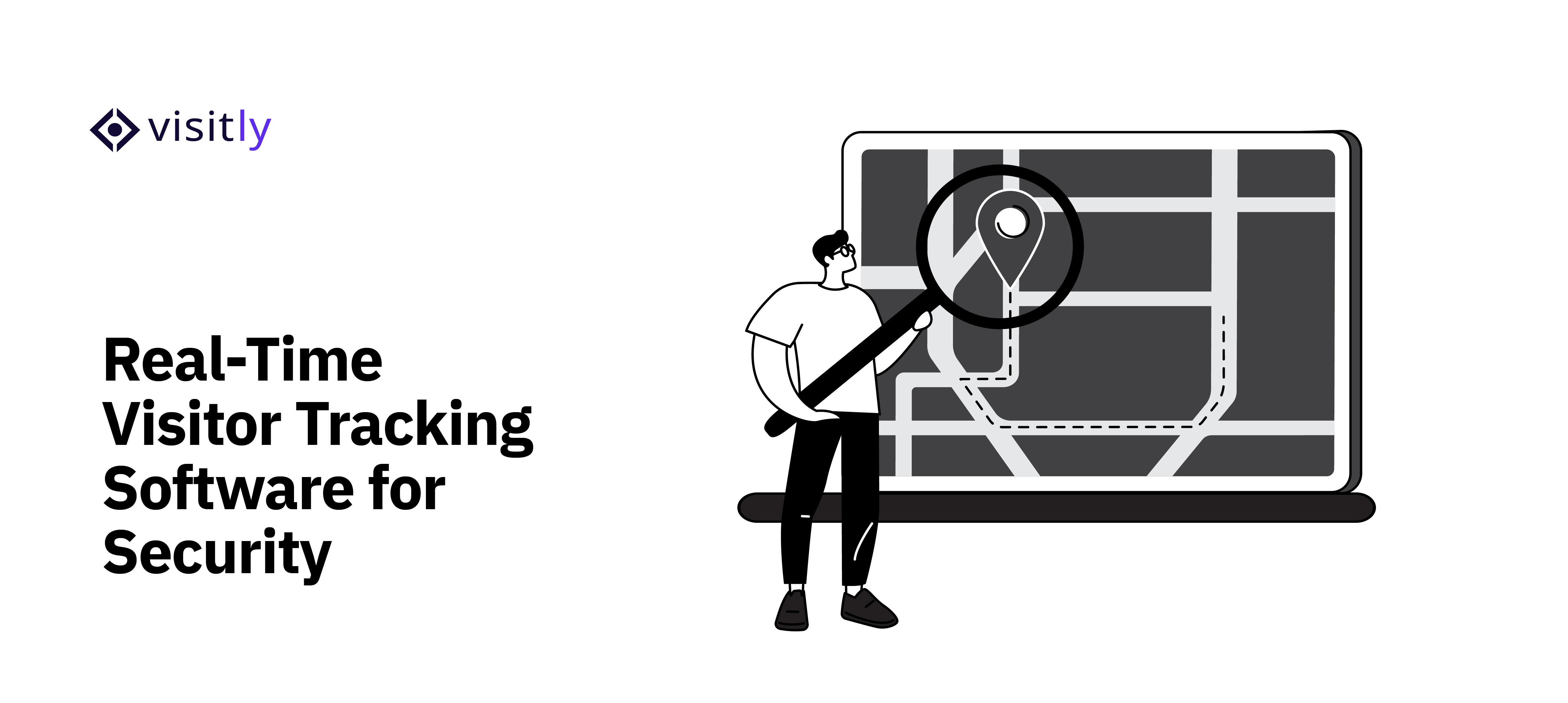
A digital system allows real-time tracking of who enters and exits your facility, ensuring only authorized individuals are granted access.
This helps maintain both physical and cybersecurity by preventing unauthorized access that could compromise sensitive data or systems.
3. Emergency Preparedness
In case of an emergency, real-time visitor tracking becomes invaluable.
A digital visitor management system software ensures that you always know who is on the premises, enabling a quick and efficient response in emergencies, whether it’s an evacuation or lockdown situation.
4. Compliance with Security Regulations
To remain compliant with industry regulations, it’s crucial to have secure visitor logs that adhere to data privacy and security standards.
A modern visitor management system provides audit trails, encrypted data storage, and customizable reporting, making security compliance software easier to maintain compliance with standard regulations.
5. Real-Time Data Accessibility
Accessing visitor data in real-time provides greater security and compliance management.
Whether you’re reviewing who is in the building at any given time or tracking an individual’s movements, having this data immediately at your fingertips strengthens your overall security strategy.
6. ID Verification & Authentication
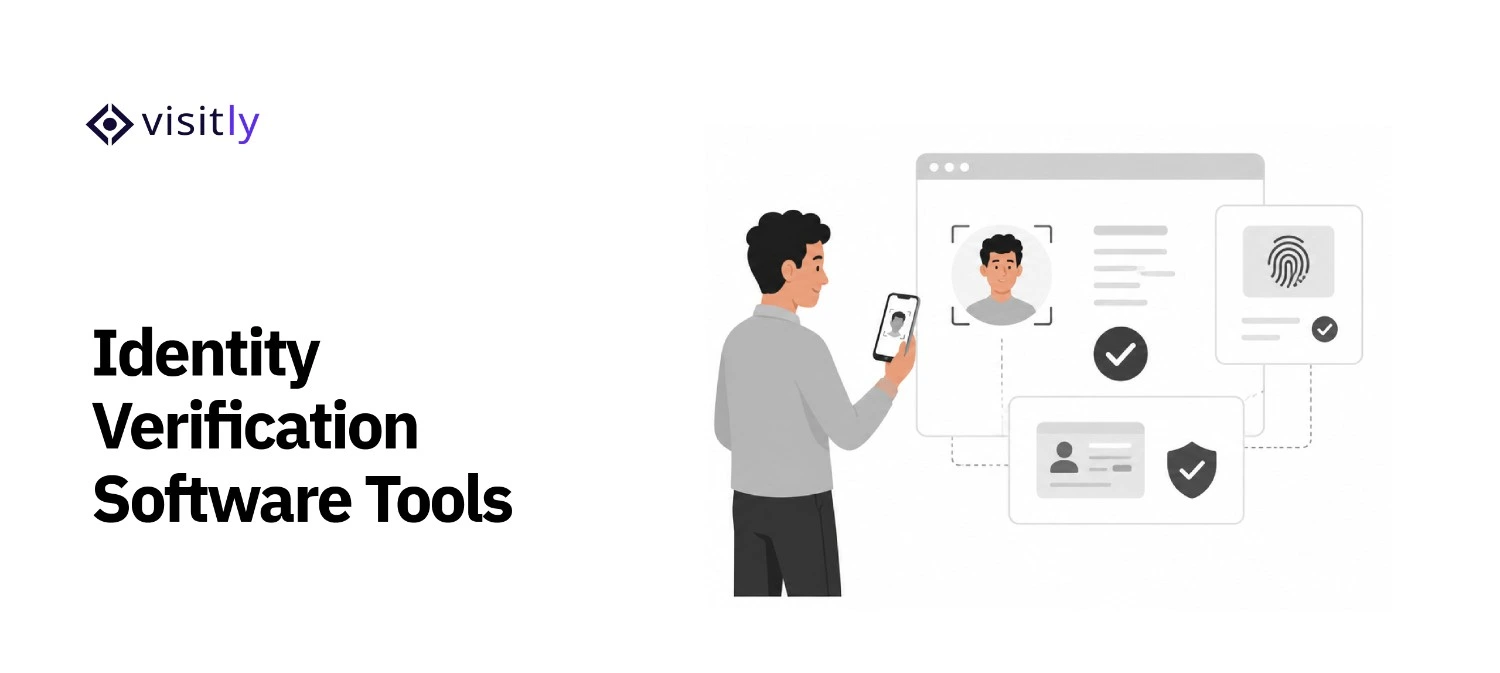
Advanced features, such as ID verification and pre-registration, ensure that only authorized visitors are granted access.
This minimizes the risk of identity fraud or unauthorized entry that could potentially compromise both digital and physical security.
Steps to Integrate Visitor Management into Cybersecurity Awareness
Integrating a modern visitor management system software into your cybersecurity strategy is crucial during National Cybersecurity Awareness Month.
It depends on what you know about cybersecurity and how you want to integrate a VMS into your existing system.
Here’s a detailed step-by-step approach to get started:
Steps to Integrate VMSKey Actions1. Conduct Security AssessmentReview current visitor management practices, identify gaps, and align them with the cybersecurity strategy.2. Choose a Robust SystemSelect a system with cloud storage, ID verification, encryption, and compliance features (GDPR, SOC 2).3. Implement Across FacilitiesEquip all locations with a unified management system.4. Train EmployeesTrain staff on security, compliance, and system usage.5. Launch Awareness CampaignEducate staff on secure visitor management through workshops and email communications.6. Integrate with Security SystemsConnect the visitor system to physical access, emergency systems, and IT tools.7. Monitor & AuditRegularly audit data, monitor effectiveness, and update for new threats.8. Evaluate & Share ResultsReview and share system success with stakeholders to highlight security improvements.
1. Conduct a Visitor Management Security Assessment
Before implementing a new system, take a step back to evaluate your current visitor management process.
- Identify any gaps in security, such as manual entry logs or outdated tracking methods, and understand how they may expose your organization to potential risks.
- Consider how your visitor management practices align with your broader cybersecurity strategy, and determine the specific needs of your organization.
2. Choose a Robust Digital Visitor Management System
Select a VMS that offers more than just a check-in process.
- Look for a solution like Visitly that integrates advanced features, such as cloud-based storage, real-time access control, ID verification, pre-registration, and customizable reporting.
- Ensure that the system meets all security and compliance requirements, such as GDPR and SOC 2, and that it provides encrypted storage for sensitive data.
3. Implement the System Across All Facilities
Once you’ve chosen a system, implement it across all company facilities that handle visitors.
- Ensure that every entrance or reception area is equipped with the necessary hardware and software to support your visitor management platform.
- A unified, cloud-based VMS will ensure seamless integration and consistency in how visitors are managed, regardless of the location.
4. Train Employees on the New System
Proper training is crucial for the success of any new system.
- Provide comprehensive training to employees, particularly those who frequently interact with visitors, such as receptionists, facility managers, and security personnel.
- Emphasize the importance of security and compliance, and ensure they understand how to utilize the new system to securely record visitor information, verify IDs, and effectively handle emergencies.
5. Launch an Internal Cybersecurity Awareness Campaign
Use National Cybersecurity Awareness Month as an opportunity to launch a company-wide campaign highlighting the importance of secure visitor management.
- Educate staff on the broader cybersecurity risks of inadequate visitor tracking and explain how the new system will mitigate these risks.
- Use engaging content—such as emails, workshops, or webinars—to boost awareness and ensure that everyone in the organization understands their role in maintaining security.
6. Integrate Visitor Data into Your Broader Security System
Integrate your visitor management system software with your organization’s broader cybersecurity infrastructure.
- This may include connecting the visitor system to physical access controls, emergency management systems, or your IT monitoring tools.
- This ensures that all security measures work together, providing a cohesive and unified defense against potential threats.
7. Monitor, Audit, and Improve
After implementing the system, continuously monitor its effectiveness.
- Regularly audit the visitor data to ensure compliance and check for any security vulnerabilities.
- Periodically review system logs, conduct mock drills for emergency preparedness, and update the system to address emerging security threats or compliance changes.
8. Evaluate and Share Results
At the end of National Cybersecurity Awareness Month, take time to evaluate the success of your VMS implementation.
- Share the results with stakeholders to demonstrate how the new system enhances security and aligns with your cybersecurity goals.
- Use this as a foundation to build on throughout the year, ensuring continuous improvement in your security posture.
How Visitly Strengthens Your Cybersecurity Strategy?
Visitly is a cutting-edge digital visitor management system designed to streamline the employee check-in process while enhancing security and compliance.
By automating the visitor registration process and securely storing visitor data, Visitly provides a modern solution that protects against the risks associated with outdated systems.
Here’s why Visitly is the perfect choice :
- Cloud-Based Platform: Visitly’s cloud-based platform ensures that visitor logs are accessible in real-time, from anywhere, with robust encryption to protect sensitive information.
- ID Verification: ID verification and pre-registration features help ensure only authorized individuals are allowed to enter your premises.
- Real-Time Alerts: Receive instant notifications about visitors entering or exiting your facility, ensuring you stay in control at all times.
- Customizable Reports: Generate detailed reports to support compliance audits and security reviews.
Visitly is more than just a tool for checking in guests—it’s a critical component of your organization’s overall workplace security strategy.
Conclusion: Integrate Visitor Management to Ensure Cybersecurity
As National Cybersecurity Awareness Month highlights the importance of cybersecurity, businesses must recognize that their physical security processes, such as visitor management, are just as important as digital security.
Outdated, manual visitor management can expose organizations to significant risks, including data breaches, unauthorized access, and compliance violations.
By adopting a modern, digital visitor management system like Visitly, you can ensure that your organization is better equipped to handle these challenges while staying ahead of evolving cybersecurity threats.
Take the steps now to enhance your organization’s cybersecurity by securing your visitor management system!