


Did you know that 74% of enterprises still rely on manual visitor logs, risking security breaches and inefficiencies?
Enterprises are continually seeking ways to enhance operational efficiency, improve workplace security, and meet compliance standards. A major area that often gets overlooked is the visitor management process.
Have you ever considered the risks and inefficiencies involved in manually handling visitor logs, guest check-ins, or security screenings? These outdated methods can lead to data inaccuracies, delays, and even security breaches.
With the rise of digital solutions, Visitor Management Systems (VMS) are transforming how businesses manage visitors. These systems streamline visitor check-in processes, improve security, and ensure compliance, all while saving valuable time and money.
In this blog, we’ll explore 7 key advantages of a visitor management system and how it can provide a solid return on investment (ROI) for enterprises of all sizes.
Let’s dive into the benefits that could change how you manage visitors and optimize your business operations.
Advantages of a Visitor Management System: Why Enterprises Need It?
The key advantages of a visitor management system for enterprises are:
1. Enhanced Security
2. Improved Visitor Experience
3. Efficient Data Collection and Analytics
4. Cost Savings
5. Regulatory Compliance
6. Seamless Integration with Other Enterprise Systems
7. Scalability for Growing Enterprises
This section shows how a digital visitor management system can elevate enterprise operations by enhancing security, controlling costs, meeting compliance, and improving efficiency. It emphasizes the ROI achieved when businesses replace manual systems with automated solutions.
Let us look at the key benefits of the visitor management system.

1. Enhanced Security
When it comes to protecting company assets, data, and employees, security standards are paramount. An electronic visitor management system enhances security by ensuring only authorized individuals are allowed on your premises.
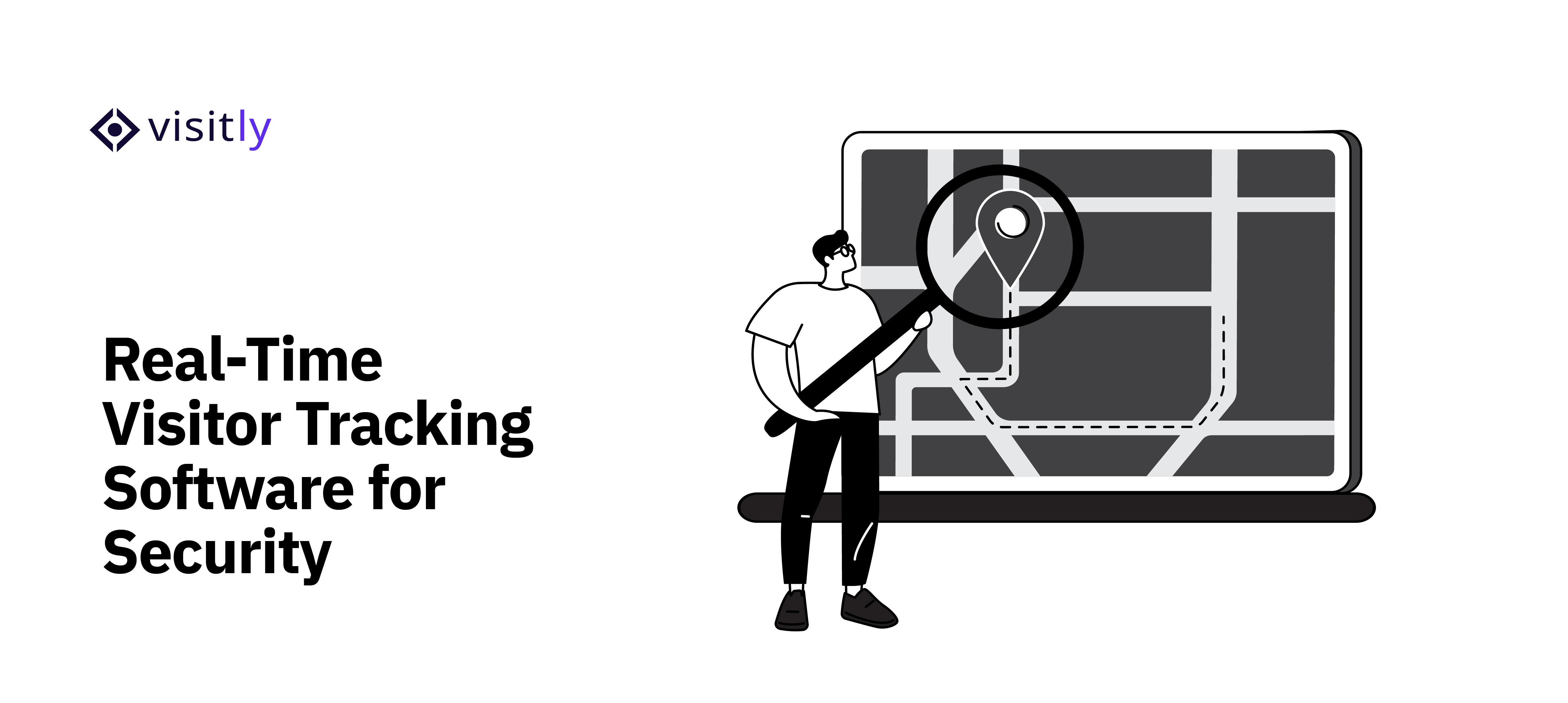
- Real-time tracking: Monitor visitors’ movements throughout the building to ensure restricted areas remain secure.
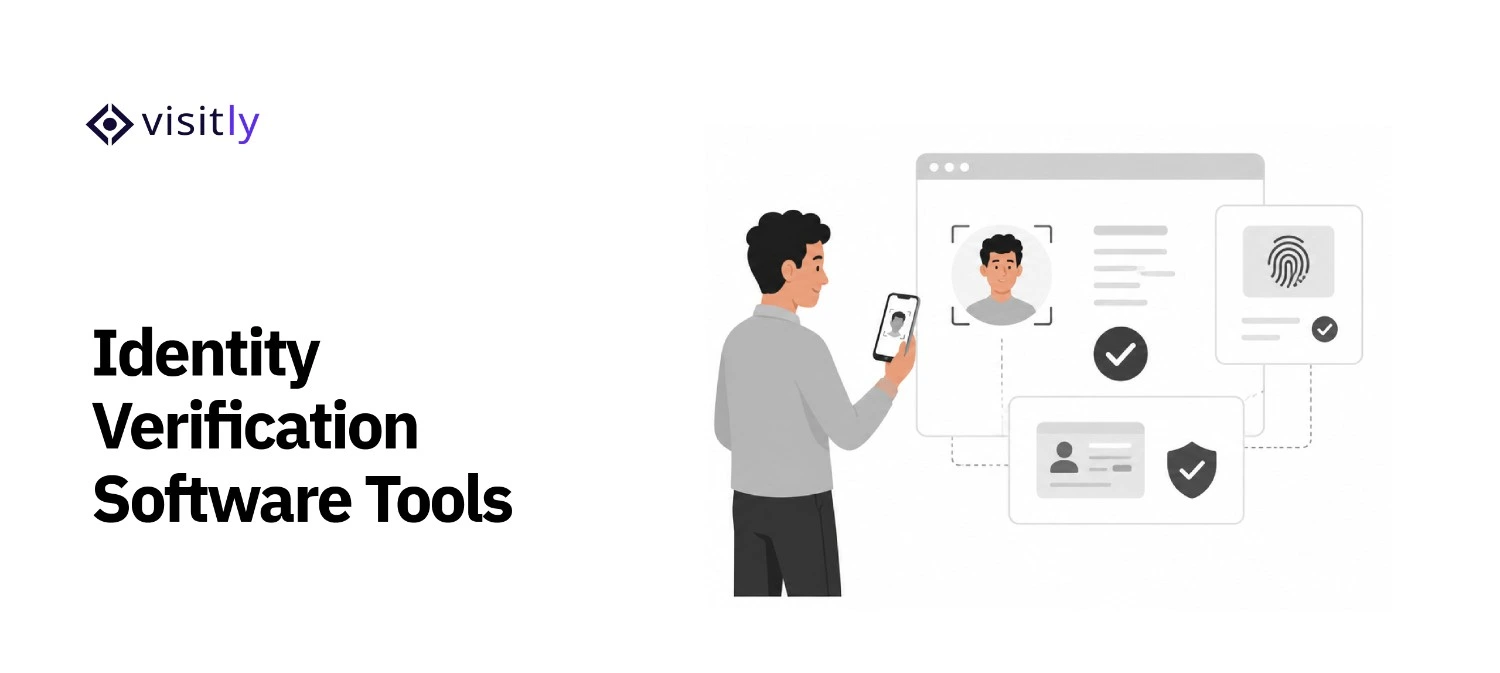
- Automated identification: Scan IDs and capture photos to ensure only authorized access.
- Audit trails: Keep detailed visitor logs for future reference or compliance audits.
2. Improved Visitor Experience
A streamlined check-in process creates a positive first impression for visitors. A touchless visitor management solution simplifies registration, making it faster and more efficient.
- Faster check-in: Self-service kiosks and visitor pre-registration options let visitors check in quickly, eliminating wait times.
- Host notifications: Real-time emergency notifications ensure that hosts are immediately informed of their guests’ arrival, facilitating smoother interactions.
- Custom workflows: Tailor processes for different visitor types for quick data collection.
3. Efficient Data Collection and Analytics
Managing visitor data manually can be tedious and error-prone. By automating data collection, businesses can ensure accuracy and gain valuable insights.
- Automated data entry: Collect and store visitor information seamlessly, reducing the risk of manual errors.
- Actionable insights: Generate reports to identify trends, track repeat visitors, and understand peak visit times.
- Compliance-ready: Securely store data to meet privacy regulations.
4. Cost Savings
The initial investment in visitor management software is quickly offset by the savings from automation. Businesses reduce manual work and the need for physical infrastructure.
- Reduced labor costs: An automated security check-in system and visitor tracking minimize the need for front-desk staff.
- Elimination of paper logs: With digital logs and badges, businesses cut costs on paper, ink, and printing.
- Error reduction: Automation helps reduce mistakes, preventing costly oversights that could lead to security breaches or compliance issues.
5. Regulatory Compliance
Compliance with data protection regulations, such as GDPR and CCPA, is vital for enterprises handling sensitive information. An office visitor management system helps organizations stay compliant by securely storing visitor data.
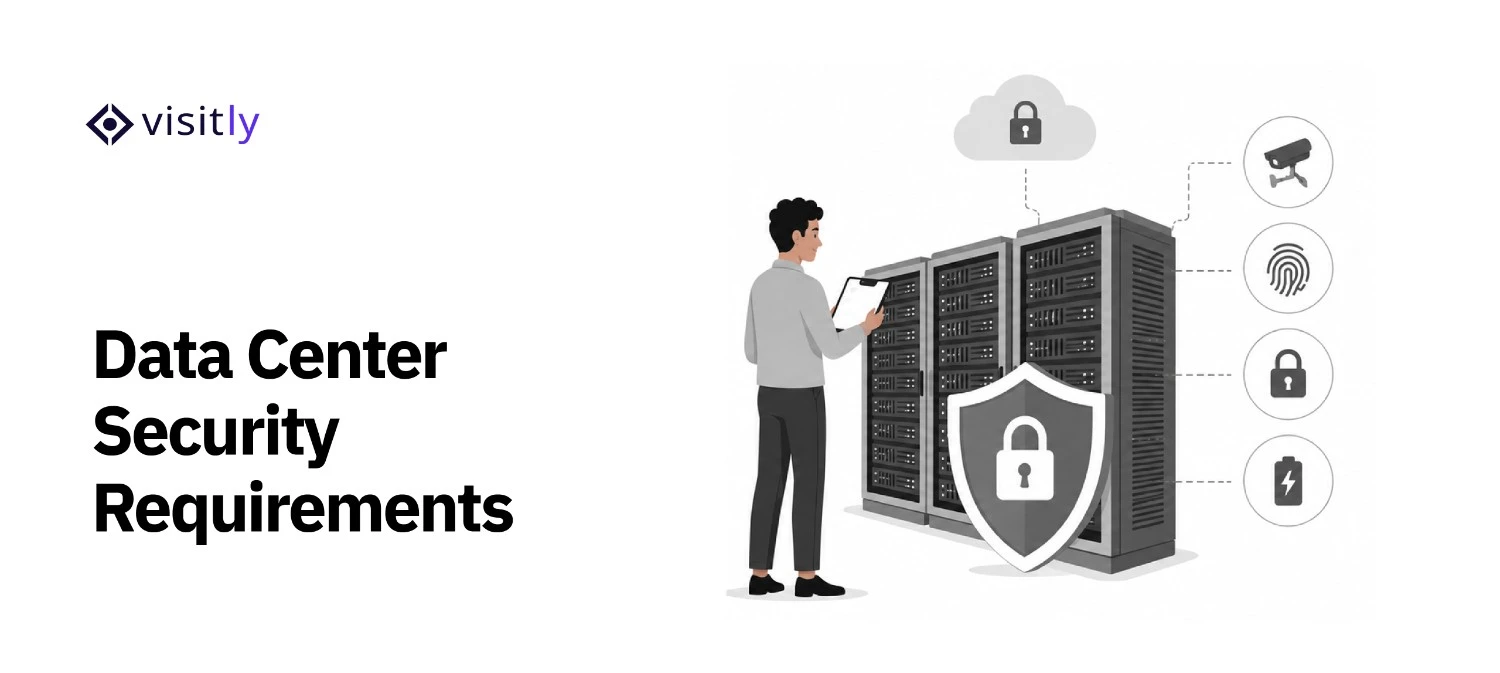
- Secure data storage: Store visitor information in encrypted databases to protect sensitive data.
- Automated reporting: Generate compliance reports with ease, making audits quicker and less stressful.
- Real-time updates: Ensure the latest visitor management compliance requirements are met by automatically updating the system with relevant regulatory changes.
6. Seamless Integration with Other Enterprise Systems
Modern businesses rely on multiple systems that need to work together. An automated visitor management system seamlessly integrates with existing infrastructure, ensuring smooth operation across departments.
- Building security integration: Sync the system with physical access control systems to provide an extra layer of access control.
- HR systems integration: Automatically link visitor data with HR software for smoother employee check-ins and record-keeping.
- Workflow optimization: Integrates the system with your organization’s other software to streamline visitor-related tasks and enhance productivity.
7. Scalability for Growing Enterprises
As your enterprise grows, so does the need for a flexible visitor registration system that can scale with you. Whether you’re expanding to new office locations or experiencing an increase in foot traffic, scalability is key.
- Multi-location management: Centralize visitor sign-in kiosks across all locations to ensure uniformity and control.
- Adaptability: As your business needs evolve, so can the system, with customizable visitor management system features and scalable options to meet new demands.
- Effortless expansion: Add new locations or upgrade features without disrupting operations.
How Does a Visitor Management System Contribute to ROI for Enterprises?
A visitor management system contributes to ROI for enterprises through the following:
1. Operational Efficiency
2. Cost Reduction
3. Compliance and Legal Protection
Using a Visitor Management System (VMS) directly impacts enterprise ROI by improving efficiency, reducing costs, and supporting compliance.
1. Operational Efficiency
Implementing a Visitor Management System (VMS) can transform the way enterprises manage guest check-ins, improving overall operational efficiency.
- Automation of repetitive tasks: VMS automates processes such as visitor registration, check-in, and visitor badge printing, significantly reducing manual input.
- Freed-up employee time: Receptionists and staff are no longer bogged down by manual tasks and can focus on more critical business functions.
- Real-time monitoring: With automated tracking, hosts are notified immediately, ensuring quicker responses and smoother emergency management.
2. Cost Reduction
The financial benefits of a visitor management system quickly add up, particularly in reducing the ongoing costs associated with manual processes and potential security risks.
Here’s how:
- Elimination of paper-based logs: Paper visitor logs and printed badges can become costly over time. A VMS eliminates or reduces the need for paper-based materials.
- Reduction in manual entry errors: Human errors in logging visitor data can lead to costly mistakes. Digital receptionists reduce such errors, avoiding additional visitor management system costs that might arise from inaccuracies.
- Lower security-related costs: By preventing unauthorized access and improving security tracking, workplace security with a visitor management app reduces the likelihood of security breaches and the associated financial consequences.
3. Compliance and Legal Protection
Regulatory compliance is a top priority, especially when handling sensitive visitor data. The best visitor management system ensures enterprises stay compliant with relevant data protection laws and regulations.
- Automated data collection and storage: A VMS ensures that visitor data is collected and stored securely, in compliance with regulations such as GDPR and CCPA.
- Secure storage and encryption: Sensitive visitor data is encrypted, reducing the risk of data breaches and helping organizations adhere to privacy laws.
- Simplified audits: With automated reporting and record-keeping, the visitor sign-in app streamlines compliance audits and provides easy access to records when needed.
What are the Visitor Management Best Practices for Enterprises?
The visitor management best practices for enterprises are:
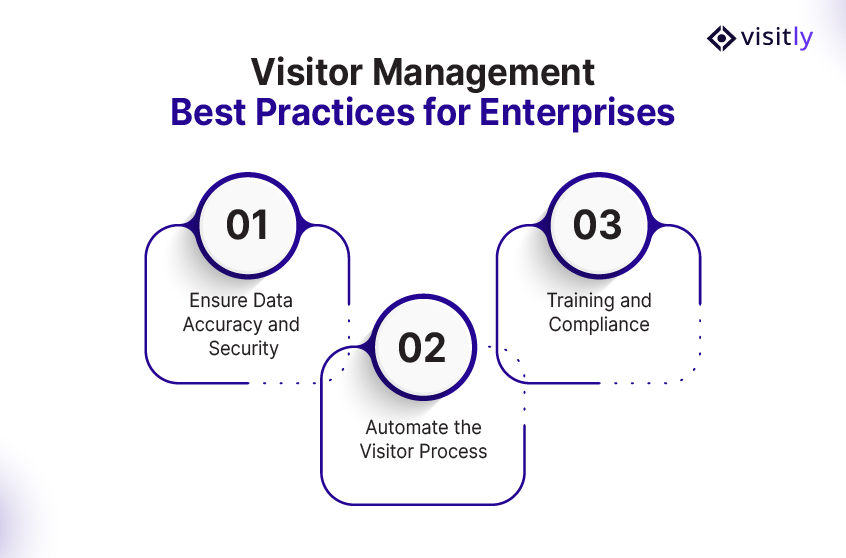
- Ensure Data Accuracy and Security
- Automate the Visitor Process
- Training and Compliance
To get the most out of your Visitor Management System, following visitor management guidelines is essential. These practices ensure smooth operations, data security, and an improved visitor experience. Implementing the right strategies will enhance the system’s overall effectiveness, making it a valuable tool for your enterprise.
Here are the key best practices of visitor management to follow:
1. Ensure Data Accuracy and Security
For a guest management system to deliver its full potential, it’s crucial to maintain accurate and secure visitor data. This is not only about smooth operations but also about protecting sensitive information.
- Regular updates: Keep your system up to date to accommodate changes in security protocols, compliance standards, or features.
- Data encryption: Ensure that all collected visitor data is securely encrypted and stored in compliance with privacy regulations.
- Backup and recovery: Implement a robust data backup strategy to prevent data loss in the event of a system failure.
2. Automate the Visitor Process
The main goal of implementing an electronic sign-in system is to automate and simplify the check-in process. Reducing manual intervention improves both efficiency and the visitor experience.
- Encourage pre-registration: Allow visitors to pre-register online before their visit. This ensures a faster check-in process and reduces congestion at the front desk.
- Online check-ins: Allow visitors to check in via kiosks or mobile apps, speeding up registration and reducing wait times.
- Automated notifications: Send real-time alerts to hosts when visitors arrive, enhancing communication and improving the overall experience.
3. Training and Compliance
Effective use of an iPad visitor management system relies heavily on staff training and ensuring compliance with industry regulations. Well-trained employees are essential for maintaining smooth operations and safeguarding data.
- Employee training: Conduct regular training sessions to ensure employees understand how to use the system and handle visitor data securely.
- Compliance monitoring: Ensure the system is configured to comply with data protection regulations, such as GDPR and CCPA.
- Standardize procedures: Establish clear protocols for managing visitor types and security measures to ensure consistency across departments.

Closing Thoughts
A Visitor Management System is more than just a tool to track visitors; it is a strategic asset that significantly improves security, efficiency, and compliance while offering a solid return on investment. By automating visitor check-ins, ensuring data accuracy, and integrating seamlessly with your existing enterprise systems, businesses can streamline operations and reduce costs.
Key Advantages:
- Enhanced Security: Real-time tracking and automated ID scanning ensure only authorized access.
- Improved Efficiency: Automated check-ins save time and reduce manual errors.
- Cost Reduction: Eliminate paper logs and reduce labor costs.
- Regulatory Compliance: Simplify audits with secure, encrypted data storage.
- Seamless Integration: Connect the system to other enterprise tools, such as HR and security.
- Visitor Experience: Fast check-ins and real-time notifications enhance the visitor experience.
- Scalability: Easily handle increasing visitor volumes as your business grows.
With Visitly, businesses can efficiently and securely manage visitor data while optimizing overall operations. Its user-friendly design and powerful features make it the best choice for modern enterprises.
Ready to transform your visitor management process?
Request a demo today and experience firsthand how Visitly can streamline your business operations, boost security, and ensure compliance.
FAQs
1. What is a visitor management system?
A visitor management system is a digital solution that automates guest check‑ins, captures visitor details, verifies identity, tracks time spent onsite, and manages visitor access. It replaces manual logbooks and adds real‑time visibility into who is present in the building, helping enterprises enhance security and operational efficiency.
2. How does a visitor management system improve security?
It improves security by verifying visitor identities at the point of entry, maintaining a digital log of who entered and exited, and integrating with access control systems. Real‑time tracking and pre‑screening help prevent unauthorized access and keep detailed records for incident reviews or compliance audits.
3. Why do businesses need a visitor management system?
Businesses need it to streamline check-ins, reduce manual work, improve visitor experiences, and meet regulatory requirements such as GDPR. It also enhances security by tracking visitor movements and provides accurate data for reporting and compliance.
4. Can a visitor management system integrate with my existing tools?
Yes. Many modern systems integrate with calendar platforms, access control systems, HR tools, and notification services. Integration ensures a unified data flow, automates workflows (such as pre-registering visitors from calendar invites), and improves communication across departments.
5. Is a cloud‑based visitor management system better than an on‑premise one?
A cloud‑based solution offers remote access, real‑time updates, easier scalability, automated backups, and lower IT maintenance. It’s often more flexible and cost‑effective for enterprises with multiple locations or hybrid workforces compared to on‑premise systems.