


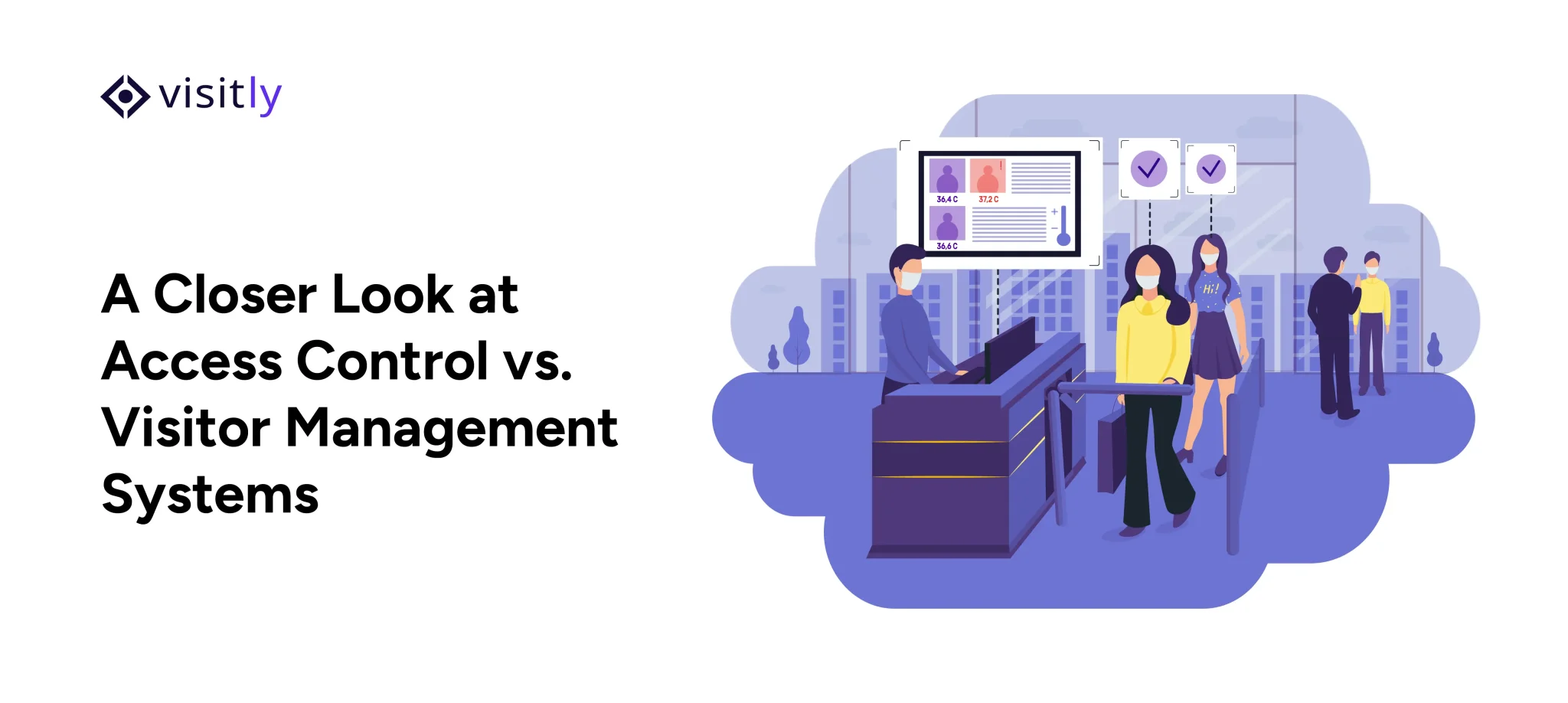
We’ve all heard the saying, “Safety first!” But have you ever wondered what goes into creating a secure environment in workplaces or public spaces? The answer lies in a combination of smart systems working together to keep everything in order.
Now here’s the big question: How do businesses ensure only the right people gain access while keeping track of every visitor? Simple: they use access control and visitor management systems. Both play pivotal roles in modern security strategies, yet they serve entirely different purposes.
Security is a necessity. In fact, 75% of businesses cite physical security as a top priority for 2025, according to a recent report. Why? Because breaches, unauthorized access, and poor visitor tracking can cost organizations millions. Here are three reasons security systems are vital:
- Risk Mitigation: They reduce unauthorized access and protect sensitive areas.
- Compliance: Security systems help meet legal and regulatory standards.
- Trust Building: Employees and visitors feel safer in a secure environment.
To achieve robust security, organizations rely on access control and visitor management systems. These tools work hand in hand to monitor, manage, and regulate entry, ensuring safety and efficiency. In this blog, we’ll break down the differences between these systems, explain their roles, and highlight why both are essential for a secure workplace.
Understanding Access Control
Access control refers to a system that restricts and manages who can enter certain areas within a facility. It’s the backbone of physical security, providing a clear line of defense against unauthorized entry.
Here are three key purposes of access control:
- Restrict Access: Prevent unauthorized individuals from entering restricted zones.
- Monitor Movement: Keep a log of who enters and exits specific areas.
- Enhance Security: Strengthen overall protection by integrating technology like alarms and cameras.
Types of Access Control Methods
When it comes to access control, businesses have a variety of options tailored to their needs. Here are some of the most common methods:
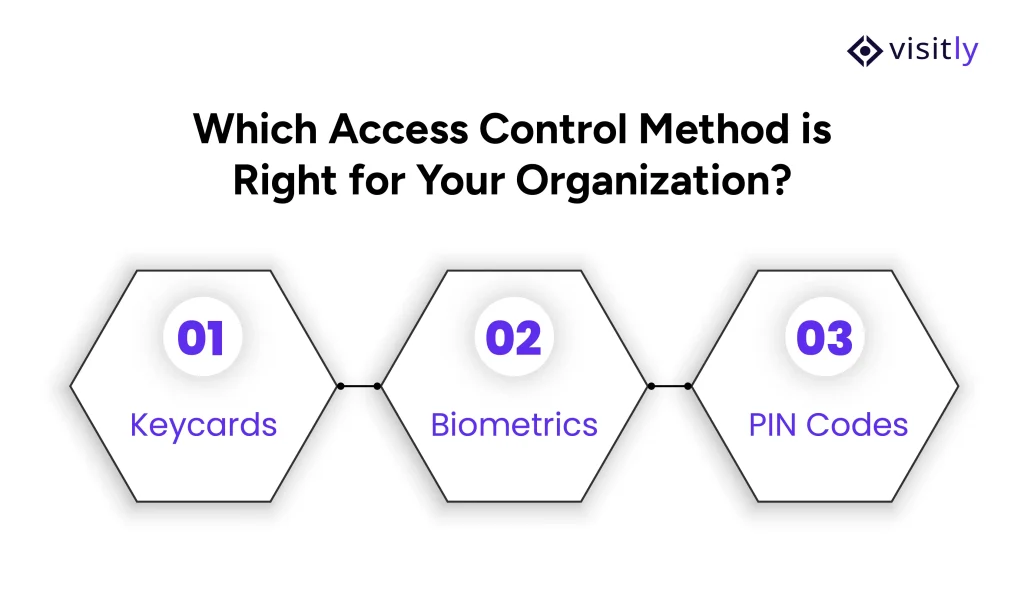
- Keycards: These are swipe or proximity cards that grant access when scanned. They’re easy to use, but losing one can pose a security risk.
- Biometrics: This method uses unique physical traits like fingerprints or facial recognition. Biometrics provide high security since they’re hard to replicate.
- PIN Codes: A numeric code entered on a keypad. While convenient, PINs can be shared or forgotten.
Let’s look at an example: Consider a tech company with sensitive R&D labs. Access to these labs is restricted using biometric scanners. Only authorized personnel can enter, ensuring intellectual property is protected and unauthorized individuals are kept out. This precise monitoring adds a critical layer of security.
What is Visitor Management?
Visitor management refers to the system businesses use to track and manage visitors entering their premises. It’s not just about safety; it’s also about creating a smooth and professional experience for guests.
Here are some key features of visitor management systems:
- Visitor Registration: Guests provide their details at the reception or via an online portal. This information is logged for security and compliance purposes.
- Check-In/Check-Out Processes: A quick and easy way to record when a visitor enters and exits the premises. Digital systems often automate this process.
- Visitor Badges: Issued during check-in, these badges help identify visitors easily and ensure they remain in authorized areas only.
Here’s an example: Consider a hospital where visitor tracking is critical. A digital visitor management system ensures only approved visitors access patient wards, reducing risks and maintaining privacy.
How Visitor Management and Access Control Work Together
In today’s dynamic workplaces, security is more than just limiting access; it’s about giving everyone who enters your building a seamless, intelligent, and connected experience. When combined, visitor management and access control definitely excel in this situation.
Employees and authorized personnel are the primary focus of access control, which manages internal access points to ensure only authorized individuals can enter restricted areas.
Meanwhile, visitor management records the arrival of outside visitors, contractors, and vendors, verifies their credentials, and ensures compliance.
These two systems function flawlessly together to provide improved efficiency and security:
- Unified Authentication: With the help of technologies like Face ID, QR codes, or smart badges, visitors can be pre-registered in the system and validated in real time. Access control databases are immediately synchronized for this purpose.
- Timed Access Permissions: Temporary, time-limited access can be granted to visitors by integrated systems, ensuring they can only enter designated locations for a set period.
- Centralized record-keeping: This makes audits and compliance tracking easier by logging all movements, whether from staff members or guests, in a single system.
- Touchless, Automated Experience: The automated, touchless experience reduces wait times and staffing needs by eliminating manual involvement at check-in points.
- Improved Emergency Response and Compliance: Administrators can quickly identify individuals within the facility during an emergency, enabling safer and quicker evacuations.
Key Differences Between Access Control and Visitor Management
Why You Need Both Access Control and Visitor Management Systems
Security isn’t a one-size-fits-all solution. While access control and visitor management systems serve different purposes, together they create a robust safety net.
Who wouldn’t want complete control over workplace safety? Access control limits employees to authorized areas, while visitor management ensures guests stay in permitted zones. Together, they provide all-around protection.
Benefits of Integrating Both Systems:
Visitly: The Best Visitor Management System
If you’re looking for an efficient and reliable visitor management solution, Visitly is your go-to software. It’s designed to simplify visitor processes while enhancing security.
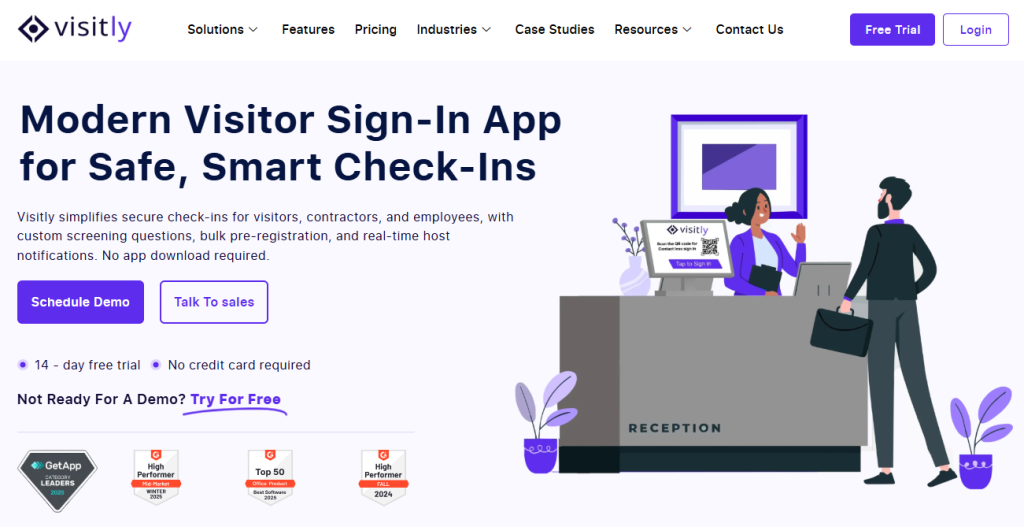
Here are some key features of Visitly:
- Visitor Management: Streamline check-ins with customizable visitor workflows and automated notifications.
- iPad-Enabled: Offer a modern, user-friendly experience with iPad-enabled sign-in and sign-out.
- Security and Compliance: Centralize visitor data management while ensuring security and regulatory compliance.
- Facial Recognition: Enable fast and secure check-ins with advanced Face ID recognition.
- Visitor Watchlist: Enhance security by flagging and monitoring visitors with an integrated watchlist.
- Contractor Management:Streamline contractor sign-ins and compliance tracking with customized workflows in contractor management.
- Workplace Safety: Track real-time presence to ensure a safe and well-monitored workplace.
- Emergency Evacuation: Access live visitor lists to manage quick and organized evacuations during emergencies.
- Employee Check-In: Monitor employee check-ins and outs in real time for complete visibility of office access.
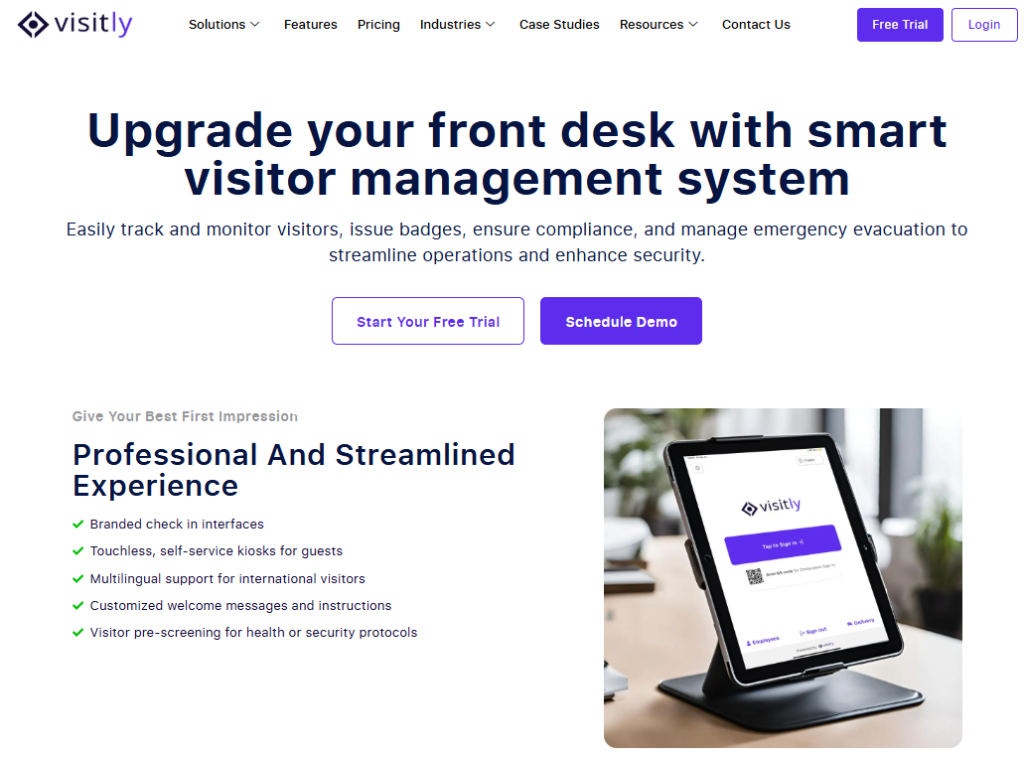
Visitly is simple, secure, and packed with smart features. It works well for both small offices and large businesses, adapting to your needs effortlessly. Plus, it’s cost-effective and helps businesses maintain compliance effortlessly.

Considerations for Selecting Between Visitor Management and Access Control
1. Internal Security Priority
An access control system should be your top priority if protecting sensitive workspaces, data centers, or employee-only areas is your primary goal. These systems make sure that only authorized workers can enter restricted areas by using PINs, keycards, or biometrics. This keeps your employees accountable, protects sensitive information, and helps avoid internal breaches.
2. Visitor & Contractor Tracking
If your company frequently hosts guests, contractors, or vendors, a visitor management system is necessary. For compliance and safety, it provides visitor credentials, digitally logs check-ins and check-outs, and ensures every visitor is registered. To improve front desk operations, current technologies offer a polished, app-free check-in experience.
3. Need for Both Systems
An integrated system that blends visitor management and access control is advantageous to many enterprises. This minimizes manual labor and increases overall security efficiency by guaranteeing complete visibility over anyone who enters your building, whether they are guests or employees.
4. Business Size & Complexity
Cloud-based, adaptable platforms that centralize management across several sites while upholding uniform security requirements are necessary for larger businesses or multi-location operations.
5. Compliance & Audit Requirements
Systems must adhere to GDPR, HIPAA, or SOC 2 regulations for sectors like government, healthcare, and finance. Check for features like audit logs, safe data storage, and modifiable access rights.
6. Connectivity with Current Systems
To synchronize user data, automate alarms, and eliminate redundant administrative work, select solutions that integrate with platforms like Microsoft Teams, Slack, Azure AD, or HR software.
7. Scalability for Future Growth
Your safety solution should expand along with your company. Choose systems that don’t have performance or cost issues when more users, departments, or facilities are added.

Conclusion
Access control and visitor management systems are both essential for modern security. While access control focuses on restricting and monitoring internal movement, visitor management ensures external guests are tracked and managed. Together, they create a powerful solution for safety and efficiency. As such, choosing the right systems can significantly improve your organization’s security. Tools like Visitly help streamline operations, boost compliance, and provide peace of mind. Book a demo with Visitly now!
FAQs
1. What is access control?
Access control is a security system that restricts and manages entry to a facility based on credentials like keycards, biometrics, or PINs, ensuring only authorized individuals can enter specific areas.
2. What is visitor management?
Visitor management is the process of tracking and managing guests, contractors, or vendors entering a building, typically involving check-in, badge printing, and monitoring for security and compliance.
3. How do access control and visitor management differ?
Access control focuses on securing entry points and restricting unauthorized access, while visitor management handles the registration, tracking, and monitoring of visitors for security, compliance, and visitor experience.
4. Can access control and visitor management systems work together?
Yes, they can integrate, allowing visitor data to be synced with access control systems to grant or deny entry based on visitor credentials, ensuring a seamless, secure check-in process.