



Security and efficiency form the foundation of every well-managed facility, making visitor management systems indispensable tools. These systems track visitors while shaping their overall experience and safeguarding people and assets. Complex terminology often surrounds visitor management, filled with technical words and industry jargon that can confuse even seasoned professionals.
This glossary simplifies that language with clear, concise definitions spanning from Access Control to Zero Trust Access. Mastering these terms empowers professionals to enhance security measures and improve operational flow. This guide provides essential insights to help newcomers and experts adapt to ongoing developments in visitor management technology.
Discover the vocabulary that drives modern visitor security and take your understanding to the next level. Continue reading!
Essential Visitor Management System Terms: A Complete A to Z Glossary
Here’s a quick guide to key terms used in visitor management systems. This glossary explains essential concepts to help you understand and improve your visitor processes.
A
Access Control
Access control is the process of managing and restricting entry to a facility or specific areas within it. Visitor management systems enforce access control by verifying visitor identities and assigning appropriate permissions. This ensures only authorized individuals gain entry, enhancing security.
Automated Check-In
Automated check-in refers to the self-service process allowing visitors to register their arrival without manual assistance. It uses kiosks, mobile apps, or web portals to streamline visitor flow and reduce wait times. This feature improves operational efficiency and visitor experience.
Audit Trail
An audit trail is a detailed record of all visitor activities and system transactions. It includes timestamps, identity verification, access logs, and actions taken by security personnel. Audit trails support compliance and provide accountability for security audits.
Alert Notifications
Alert notifications are real-time messages sent to security or administrative staff when specific events occur, such as unauthorized access attempts or watchlist matches. They enable quick response to potential security threats. Alerts help maintain situational awareness.
Arrival Scheduling
Arrival scheduling allows hosts to pre-register visitor appointments and manage expected arrivals. It facilitates smooth check-in and improves visitor flow management. Scheduling reduces bottlenecks and ensures staff preparedness.
Asset Tracking
Asset tracking in visitor management systems monitors company equipment lent to visitors, such as laptops or ID badges. It helps prevent loss and unauthorized removal of assets. Integrating asset tracking enhances overall security management.
Authentication Methods
Authentication methods are techniques used to verify visitor identities, including photo IDs, biometrics, or QR codes. These methods provide varying security levels based on organizational needs. Strong authentication reduces risks of impersonation.
Authorized Host
An authorized host is an employee or representative responsible for inviting, approving, and supervising visitors. Visitor management systems often notify hosts upon visitor arrival. Hosts play a key role in ensuring visitor compliance and safety.
B
Badge Printing
Badge printing is the on-demand creation of visitor identification badges containing name, photo, company, and access level. Badges serve as visual verification and enable secure access within the premises. This feature supports easy identification and accountability.
Biometric Verification
Biometric verification uses unique physical traits such as fingerprints or facial recognition to authenticate visitors. This method provides high security by preventing identity fraud. Biometrics enhance accuracy and speed during check-in.
Blacklist Management
Blacklist management involves maintaining a list of individuals prohibited from entering the facility due to prior incidents or security concerns. Visitor management systems automatically flag blacklisted visitors to prevent entry. It is a critical component of risk mitigation.
Bring Your Own Device (BYOD) Support
BYOD support allows visitors to use their personal smartphones or tablets to check in or access facility resources securely. This approach increases convenience while ensuring security through controlled access. It reduces the need for shared devices.
Background Check Integration
Background check integration connects visitor management systems with external databases to screen visitor histories. This feature helps organizations assess risks before granting access. Background checks are vital in sensitive or high-security environments.
Bulk Registration
Bulk registration enables hosts or administrators to pre-register multiple visitors simultaneously, often for events or group visits. This functionality speeds up check-in and improves visitor flow management. It supports efficient handling of large visitor volumes.
Bluetooth Beacon Tracking
Bluetooth beacon tracking uses small devices to detect and monitor visitor movement within a facility. This technology provides real-time location data and enhances security monitoring. It also supports personalized visitor experiences.
Building Evacuation Management
Building evacuation management integrates visitor data with emergency response systems to account for all individuals during evacuations. This ensures safety and compliance with safety regulations. It provides real-time visitor location for rescue teams.
C
Check-In Kiosk
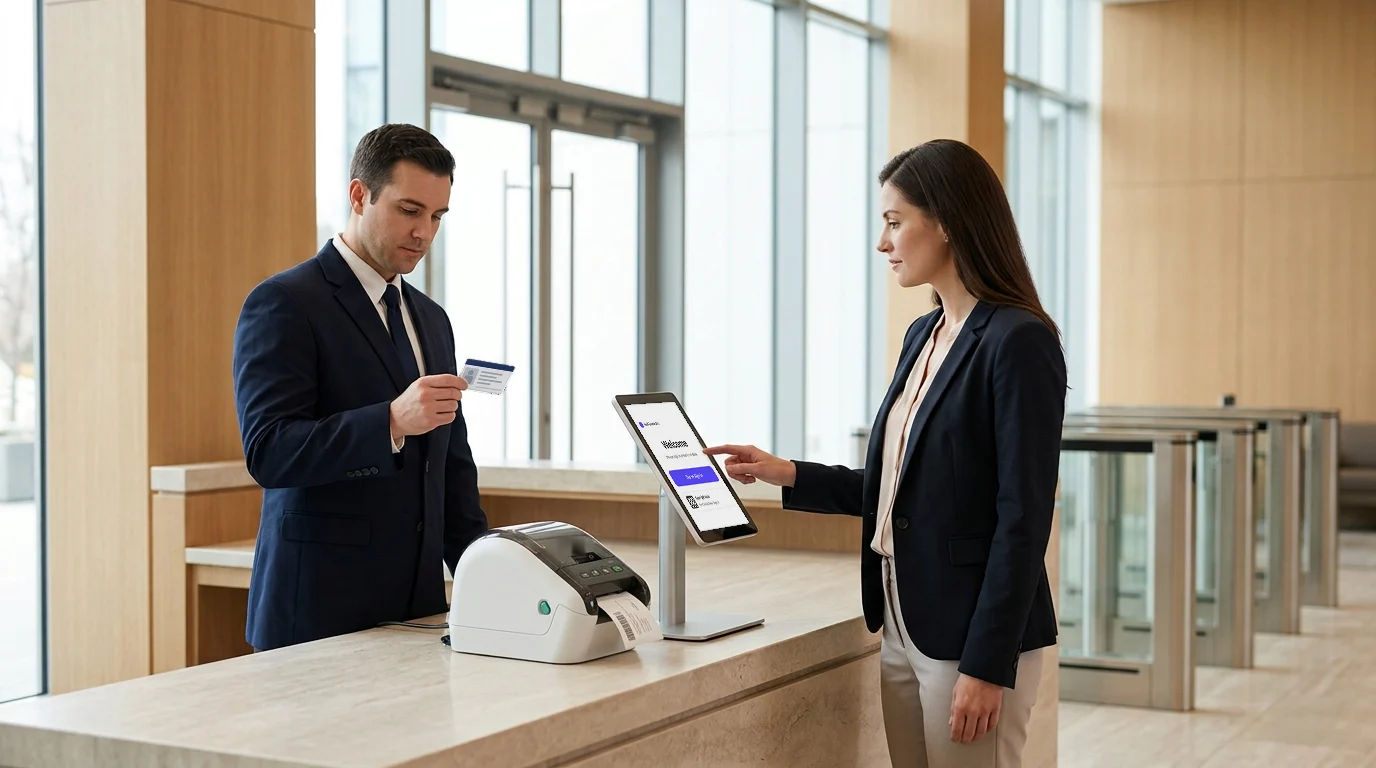
A check-in kiosk is a self-service terminal where visitors enter their information to register arrival. Kiosks improve throughput, reduce staffing needs, and ensure consistent data capture. They often support multiple languages and accessibility features.
Compliance Reporting
Compliance reporting generates documentation required to meet legal, safety, or corporate standards. Visitor management systems compile data such as visitor logs, access times, and policy adherence. These reports support audits and regulatory inspections.
Contactless Check-In
Contactless check-in allows visitors to register using mobile devices or QR codes without physical contact with kiosks or personnel. This reduces health risks and speeds up entry processes. It aligns with modern hygiene and safety protocols.
Contractor Management
Contractor management tracks and controls visits by third-party service providers, ensuring they meet safety and compliance standards. The system records contractor check-ins, signed documents, and access permissions. Effective contractor management reduces operational risks.
Custom Workflows
Custom workflows enable organizations to design visitor processing steps tailored to their specific requirements. This may include approval routing, safety questionnaires, or badge issuance. Customization enhances process efficiency and compliance.
Credential Verification
Credential verification confirms the authenticity of visitor identification documents such as driver’s licenses or passports. The system may use OCR or third-party services to validate documents. Proper verification prevents fraudulent entry.
Cloud-Based Deployment
Cloud-based deployment hosts visitor management software on remote servers accessible via the internet. This model facilitates centralized management, scalability, and remote access. It reduces upfront infrastructure costs.
Check-Out Process
The check-out process logs the visitor’s departure to update occupancy records and deactivate access permissions. Efficient check-out ensures accurate real-time data and supports security protocols. It completes the visitor lifecycle.
D
Data Encryption
Data encryption protects visitor information by converting it into unreadable formats during storage and transmission. This security measure ensures confidentiality and compliance with data protection regulations. Encryption is fundamental to safeguarding personal data.
Demographic Data Collection
Demographic data collection gathers visitor information such as age, gender, and nationality during check-in. This data supports security profiling and visitor analytics. Respecting privacy laws during collection is essential.
Delivery Management
Delivery management tracks packages and shipments entering a facility through the visitor management system. It ensures accountability and prevents unauthorized item entry. This feature complements overall access control.
Digital Consent Forms
Digital consent forms obtain visitor acknowledgment of policies such as safety instructions or non-disclosure agreements electronically. This replaces paper forms and facilitates record keeping. Consent forms ensure legal compliance and risk mitigation.
Dashboard Analytics
Dashboard analytics provide visual summaries of visitor data such as traffic patterns, peak times, and compliance rates. These insights support operational improvements and strategic planning. Dashboards enhance decision-making capabilities.
Duplicate Entry Prevention
Duplicate entry prevention identifies and blocks repeated visitor registrations within a set time frame. This reduces errors and potential fraud. It maintains data accuracy and operational integrity.
Device Integration
Device integration connects visitor management software with hardware such as card readers, printers, cameras, and sensors. This interoperability enables seamless, automated workflows. It enhances system functionality and user experience.
Dual-Factor Authentication
Dual-factor authentication requires visitors to verify their identity using two distinct methods, such as a password and a fingerprint. This increases security by making unauthorized access more difficult. It is widely adopted for high-security environments.
E
Emergency Evacuation List
An emergency evacuation list is a real-time record of all visitors currently inside the facility. It is generated automatically to aid first responders during emergencies. Accurate lists improve safety and accountability.
Entry Authorization
Entry authorization defines which visitors are permitted to access specific locations based on pre-set criteria. Visitor management systems enforce these rules to prevent unauthorized entry. Authorization is critical for risk management.
Electronic Signature Capture
Electronic signature capture allows visitors to sign documents digitally during registration, such as confidentiality agreements or waivers. This facilitates faster processing and secure record keeping. It replaces manual paperwork.
Employee Notification
Employee notification alerts hosts when their visitors arrive, typically via SMS, email, or app notification. This feature reduces wait times and enhances visitor-host coordination. It improves overall visitor experience.
E-Pass Management
E-pass management issues digital passes to visitors that can be scanned or displayed on mobile devices. E-passes reduce the need for physical badges and support contactless workflows. They enhance convenience and security.
Exclusion List
An exclusion list is a database of individuals barred from accessing the premises due to prior infractions or security concerns. Visitor management systems automatically flag and block these visitors. Maintaining the list protects organizational interests.
External Integration
External integration connects the visitor management system with other enterprise platforms such as HR, security, or building management systems. This allows data sharing and coordinated workflows. Integration enhances overall operational efficiency.
Event Management
Event management features allow the coordination of large visitor groups for meetings, conferences, or special occasions. The system manages invitations, registrations, and badges. It streamlines visitor processing for events.
F
Facial Recognition
Facial recognition technology authenticates visitors by comparing facial features against stored images or databases. It enables fast and contactless check-in. This advanced biometric method improves security and convenience.
Fire Safety Compliance
Fire safety compliance ensures that visitor management records support fire regulations, including accurate occupancy counts. Systems generate reports to assist emergency drills and inspections. Compliance helps protect lives and property.
FIDO Authentication
FIDO (Fast Identity Online) authentication is a standard for secure, passwordless login using biometrics or hardware keys. It enhances security and user convenience. FIDO is increasingly adopted in visitor systems.
Fingerprint Scanning
Fingerprint scanning uses biometric sensors to verify identity based on unique fingerprint patterns. This method provides a high level of accuracy and security. It is common in high-security visitor environments.
Flexible Scheduling
Flexible scheduling allows hosts to define visitor time windows, recurring visits, or extended access periods. This adaptability supports diverse operational needs. Scheduling flexibility improves resource management.
Forced Check-Out
Forced check-out automatically logs visitors out after a predefined period or during security events. This prevents unauthorized prolonged access. It ensures accurate occupancy tracking.
Field Data Validation
Field data validation verifies that visitor input meets format and completeness requirements during registration. This reduces errors and improves data quality. Validation enhances system reliability.
Firewall Compatibility
Firewall compatibility ensures the visitor management system operates smoothly within an organization’s network security settings. It prevents connectivity issues and security breaches. Compatibility supports stable and secure deployment.
G
Geofencing
Geofencing creates virtual geographic boundaries to control visitor access or trigger alerts when these boundaries are crossed. This feature enhances security and operational control. It is especially useful for outdoor or multi-site facilities.
Guest Experience Management
Guest experience management focuses on optimizing visitor interactions through personalization, efficient processing, and helpful communication. Visitor management systems support this with customized workflows and notifications. Improving experience promotes positive brand image.
Government Compliance
Government compliance ensures visitor management practices adhere to legal regulations such as data privacy laws (e.g., GDPR, HIPAA). Systems generate compliance reports and enforce data protection. Compliance mitigates legal risks.
Green Visitor Policies
Green visitor policies encourage sustainable practices, such as reducing paper usage via digital forms and badges. Visitor management systems support eco-friendly initiatives. These policies align with corporate social responsibility.
Group Check-In
Group check-in enables multiple visitors to register simultaneously under a single host or event. This speeds processing for conferences or tours. Group check-in improves operational efficiency.
Guest Badge Expiry
Guest badge expiry automatically deactivates visitor badges after the authorized period. This prevents unauthorized re-entry and enforces security policies. Expiry controls help maintain access integrity.
Global Visitor Database
A global visitor database stores information for repeat visitors across multiple sites or locations. It facilitates quick check-in and consistent identity verification. This centralization improves scalability for multinational organizations.
Guest Photo Capture
Guest photo capture records a visitor’s image during registration to enhance identity verification and security. Photos are often printed on badges. This visual confirmation reduces impersonation risks.
H
Host Management
Host management refers to the process of registering, notifying, and tracking employees or representatives responsible for receiving visitors. The visitor management system facilitates communication between hosts and visitors to ensure smooth arrivals and departures. Efficient host management enhances coordination and security.
Heat Maps
Heat maps visualize visitor movement and density within a facility, identifying high-traffic areas and bottlenecks. These insights help optimize space usage and improve safety protocols. Heat maps assist in making data-driven operational decisions.
Hybrid Deployment
Hybrid deployment combines cloud-based and on-premises visitor management solutions to meet specific organizational needs. This approach offers flexibility, balancing security with scalability. Hybrid deployment caters to varying compliance and infrastructure requirements.
Hardware Integration
Hardware integration involves connecting physical devices such as card readers, biometric scanners, and printers with the visitor management software. This integration automates processes like check-in and badge printing. Seamless hardware integration improves system efficiency.
HIPAA Compliance
HIPAA compliance ensures that visitor management systems handle protected health information (PHI) securely in healthcare environments. Systems enforce privacy, data encryption, and access controls to meet these legal standards. Compliance protects patient privacy and reduces liability.
Host Notification
Host notification automatically informs the designated host when their visitor arrives, typically through email, SMS, or app alerts. This feature streamlines visitor handling and reduces waiting times. It improves overall visitor experience and operational flow.
Hosted Visitors
Hosted visitors are individuals who have been invited or approved by an employee or department before arrival. The visitor management system tracks these visitors for security and scheduling purposes. Proper handling of hosted visitors ensures safety and accountability.
Hardware Compatibility
Hardware compatibility ensures that visitor management software works efficiently with various devices such as kiosks, printers, or biometric sensors. This compatibility reduces technical issues and improves user experience. It supports flexible system configurations.
I
Identity Verification
Identity verification confirms a visitor’s claimed identity using documents, biometrics, or database checks. This step is critical for maintaining secure access and preventing unauthorized entry. Accurate identity verification protects organizational assets.
Incident Reporting
Incident reporting allows the documentation of security breaches, visitor misconduct, or emergencies within the visitor management system. Timely reports aid investigations and corrective actions. This feature strengthens risk management.
Integration APIs
Integration APIs (Application Programming Interfaces) enable visitor management systems to connect with other enterprise platforms like HR, security, or CRM systems. APIs facilitate data sharing and automate workflows. Integration improves operational efficiency and data consistency.
Invitation Management
Invitation management handles the process of sending, tracking, and managing visitor invitations digitally. This feature streamlines pre-registration and improves visitor experience. Efficient invitation management reduces entry delays.
In-Person Verification
In-person verification requires security personnel or receptionists to physically confirm visitor identity during check-in. This method complements automated processes for higher security assurance. It is useful in sensitive or high-security environments.
Inspection Checklist
An inspection checklist ensures visitors comply with safety, health, or operational requirements before entry, such as wearing PPE or signing waivers. This checklist supports compliance and risk reduction. Visitor management systems can automate these checks.
Internal Visitor
An internal visitor is an individual who visits different departments or offices within the same organization, such as contractors or auditors. The system tracks their movements to ensure access control and accountability. Managing internal visitors supports facility security.
Issue Resolution Workflow
Issue resolution workflow automates the process of addressing visitor-related problems, such as denied access or lost badges. The system routes issues to appropriate personnel for prompt handling. This improves operational responsiveness and visitor satisfaction.
J
JSON Data Format
JSON (JavaScript Object Notation) is a lightweight data interchange format used by visitor management systems for communication between software components. It enables efficient data exchange and integration. JSON facilitates interoperability with other systems.
Job Function Tracking
Job function tracking records visitor or contractor roles to tailor access permissions and compliance requirements. This data helps enforce security policies based on visitor responsibilities. It supports risk management and operational planning.
Just-in-Time Access
Just-in-time access grants visitors entry only during predefined time windows to reduce security risks from prolonged or unauthorized presence. The system automatically revokes access outside these periods. This method enhances temporal access control.
Juridical Compliance
Juridical compliance ensures that visitor management practices adhere to legal frameworks and court regulations relevant to the organization’s jurisdiction. It includes data privacy, labor laws, and safety regulations. Compliance avoids legal penalties and protects reputation.
Joint Visitor Programs
Joint visitor programs coordinate visits involving multiple organizations or departments sharing facilities. The visitor management system synchronizes schedules, access rights, and records. These programs improve inter-organizational security cooperation.
Job Site Access Control
Job site access control manages permissions for visitors and contractors entering construction or industrial sites. The system verifies credentials and tracks attendance to ensure safety and compliance. It reduces risks related to unauthorized site access.
Journey Tracking
Journey tracking monitors visitor movements throughout the facility in real-time, enhancing security oversight. It identifies unauthorized area access and supports emergency evacuations. Journey data assists in forensic investigations.
Justification Logs
Justification logs document reasons for granting exceptions or special access to visitors outside standard policies. These logs support accountability and audit processes. They ensure that unusual permissions are well-documented.
K
Kiosk Check-In
Kiosk check-in allows visitors to self-register using a touchscreen terminal at the facility entrance. This reduces front desk workload and accelerates visitor processing. Kiosks often incorporate photo capture and badge printing.
Keycard Integration
Keycard integration links visitor management with physical access control systems using RFID or magnetic keycards. This enables automated entry based on visitor credentials. Integration enhances security and convenience.
Know Your Visitor (KYV)
Know Your Visitor policies require verification of visitor identity and purpose before granting access. Visitor management systems enforce KYV protocols to reduce security risks. KYV aligns with regulatory and corporate governance requirements.
Knowledge Base
A knowledge base in visitor management provides documentation and FAQs for staff and visitors, improving system usability and troubleshooting. It supports training and self-service. This resource enhances operational efficiency.
Key Performance Indicators (KPIs)
KPIs in visitor management measure metrics such as average check-in time, visitor volume, and compliance rates. Tracking KPIs helps organizations optimize processes and security. Data-driven insights improve decision-making.
Keyword Search
Keyword search functionality enables quick retrieval of visitor records or system logs using names, dates, or other identifiers. This feature aids efficient administration and incident investigations. It enhances system usability.
Keep-Alive Protocol
Keep-alive protocols maintain continuous communication between hardware devices and visitor management software to ensure system stability. This prevents disruptions during check-in or access control. It supports reliable operation.
Kick-Out Function
The kick-out function allows security personnel to remotely revoke visitor access or log them out in case of suspicious behavior. This immediate action supports incident response. It strengthens on-site security control.
L
Legal Compliance
Legal compliance ensures that visitor management systems operate in accordance with relevant laws and regulations, including data protection acts and workplace safety standards. The system is designed to support audit trails and record-keeping for legal accountability. Adherence to legal compliance minimizes organizational risk and enhances trust.
License Plate Recognition (LPR)
License Plate Recognition technology automates vehicle entry by scanning and verifying license plates against authorized visitor lists. This integration speeds up parking access and improves security. LPR reduces manual checks and allows seamless vehicle management.
Log Management
Log management involves maintaining detailed records of visitor activities, such as check-in times, host interactions, and access points. These logs support security audits and incident investigations. Proper log management enhances transparency and accountability.
Late Arrival Handling
Late arrival handling processes visitors who arrive outside their scheduled time slots, ensuring proper verification and authorization before entry. This feature maintains security while accommodating unexpected visitor delays. It improves visitor experience without compromising safety.
Live Visitor Tracking
Live visitor tracking provides real-time monitoring of visitor locations within the premises through badges, sensors, or mobile apps. This capability aids security teams in managing crowd control and emergency responses. Live tracking increases situational awareness.
Lobby Management
Lobby management focuses on organizing visitor flow in reception areas to reduce congestion and improve check-in efficiency. Visitor management systems often integrate with digital signage and queuing solutions for smooth operations. Effective lobby management enhances first impressions and security.
Limited Access Zones
Limited access zones are specific areas within a facility restricted to authorized personnel and visitors only. Visitor management systems enforce entry permissions based on roles, clearances, and visit purposes. Protecting limited access zones is critical for safeguarding sensitive information or assets.
Language Support
Language support in visitor management systems allows multi-language interfaces to accommodate diverse visitors. This feature improves accessibility and user experience for international guests. It demonstrates inclusivity and professionalism. Visitly check-in supports more than 150 languages.
M
Mobile Check-In
Mobile check-in enables visitors to register their arrival using smartphones or tablets before reaching the premises. This pre-registration expedites the on-site check-in process and reduces wait times. Mobile check-in also supports contactless visitor management practices.
Multi-Factor Authentication (MFA)
Multi-factor authentication requires visitors to verify their identity using multiple credentials, such as a password and biometric data, to enhance security. Visitor management systems implement MFA to prevent unauthorized access. MFA strengthens the authentication process significantly.
Meeting Room Booking
Meeting room booking integration allows hosts to schedule visitor meetings alongside room reservations within the visitor management platform. This synchronization simplifies coordination and resource allocation. It streamlines visitor scheduling and facility management.
Metadata Tagging
Metadata tagging involves adding descriptive labels to visitor records for easy categorization and retrieval. Tags might include visitor type, purpose, or department. Effective metadata tagging improves data organization and reporting.
Mandatory Safety Training
Mandatory safety training requires visitors, especially contractors, to complete safety briefings before entering certain areas. The visitor management system tracks training completion status. This ensures compliance with workplace safety regulations.
Mask Detection
Mask detection technology automatically verifies compliance with health and safety protocols by detecting face masks during visitor check-in. This feature became essential during health crises like the COVID-19 pandemic. It helps enforce facility health policies.
Machine Learning Analytics
Machine learning analytics in visitor management systems analyze visitor patterns and behaviors to predict trends and enhance security. These insights support proactive risk management and operational improvements. Analytics drive smarter decision-making.
Manual Check-In
Manual check-in refers to visitor registration performed by reception staff rather than automated kiosks or apps. This traditional method remains important for exceptions and personalized service. Manual check-in complements automated processes when necessary.
N
NFC Technology
Near Field Communication (NFC) technology enables contactless data exchange between visitor badges or smartphones and access control systems. Visitor management systems use NFC to facilitate quick and secure entry. NFC enhances convenience and reduces physical contact.
No-Show Management
No-show management tracks visitors who fail to arrive as scheduled and automatically updates records to optimize scheduling. This reduces resource wastage and improves visitor forecasting. Managing no-shows enhances operational efficiency.
Notification Alerts
Notification alerts inform hosts, security teams, or visitors about relevant updates such as arrival, delays, or security incidents. Timely alerts enable prompt responses and improve communication. Notifications support smooth visitor handling.
Network Security
Network security protects visitor management software and associated hardware from cyber threats and unauthorized access. Measures include encryption, firewalls, and regular security audits. Strong network security safeguards sensitive visitor data.
Non-Disclosure Agreements (NDAs)
Non-Disclosure Agreements are legal contracts signed by visitors to protect confidential information accessed during visits. Visitor management systems can manage NDA distribution and acceptance digitally. NDAs ensure intellectual property security.
Number Plate Recognition (NPR)
Number Plate Recognition is synonymous with License Plate Recognition (LPR) and is used interchangeably to describe automated vehicle identification. Visitor management systems use NPR for streamlined vehicle entry. It supports secure parking management.
Name Badges
Name badges are printed or digital IDs issued to visitors upon check-in to identify them easily while on premises. These badges often include visitor photo, host name, and access permissions. Badges improve security and visitor identification.
Network Integration
Network integration allows visitor management systems to connect with enterprise IT infrastructure, including security, HR, and facilities management systems. This integration ensures seamless data flow and centralized control. It enhances system interoperability.
O
Onboarding Process
The onboarding process in visitor management refers to the steps taken to register, verify, and authorize visitors before and during their arrival. This process includes identity checks, safety briefings, and access permissions. Efficient onboarding ensures security and a smooth visitor experience.
Offline Mode
Offline mode allows the visitor management system to operate without an internet connection, storing data locally and syncing once connectivity is restored. This feature prevents downtime during network issues. Offline mode ensures uninterrupted visitor processing.
Opt-In Consent
Opt-in consent is the explicit permission visitors give to collect and use their personal data, in compliance with privacy laws such as GDPR. Visitor management systems obtain and record this consent during check-in. It protects both visitors’ rights and organizational compliance.
Occupancy Management
Occupancy management monitors and controls the number of visitors and occupants inside a facility to maintain safety limits and comply with regulations. The system tracks entries and exits in real-time. This prevents overcrowding and supports emergency preparedness.
Outsourced Security
Outsourced security refers to delegating visitor verification and access control duties to a third-party security firm. Visitor management systems integrate with outsourced teams to streamline operations. This approach enhances security through specialized personnel.
One-Time Passcode (OTP)
One-Time Passcode is a temporary access code sent to visitors for authentication during check-in or entry. The code enhances security by ensuring that only authorized individuals gain access. OTPs reduce risks associated with lost or stolen credentials.
Online Pre-Registration
Online pre-registration enables visitors to submit their information and required documents ahead of their visit, speeding up the check-in process. It enhances visitor convenience and reduces reception queues. Pre-registration improves operational efficiency.
Operator Dashboard
The operator dashboard provides a centralized interface for security personnel or receptionists to monitor, manage, and report visitor activity in real-time. It offers insights into visitor flow, alerts, and compliance status. The dashboard is essential for effective visitor control.
P
Privacy Policy
A privacy policy outlines how visitor management systems collect, store, and use personal data, ensuring transparency and compliance with data protection laws. Visitors must be informed about their rights and data usage. A clear privacy policy builds trust and legal compliance.
Pre-Registration
Pre-registration allows hosts or visitors to enter visit details before arrival, facilitating faster check-in and minimizing waiting times. This feature improves the overall visitor experience. It also enhances security by enabling advance screening.
Photo Capture
Photo capture involves taking a visitor’s photograph during check-in for identification and record-keeping. This enhances security by visually verifying visitor identity. Photos are typically stored securely in the visitor management system.
Parking Management
Parking management coordinates visitor vehicle parking through space allocation, access control, and monitoring. Integration with visitor systems ensures only authorized vehicles enter the premises. Efficient parking management reduces congestion and enhances safety.
Paperless Check-In
Paperless check-in replaces traditional sign-in sheets with digital entry forms and electronic signatures. This reduces paper waste and streamlines data collection. It supports contactless processes, enhancing hygiene and efficiency.
Print Badges
Print badges refers to the process of generating visitor ID badges with key details such as name, photo, and visit purpose, often at kiosks or reception desks. Badges improve visitor identification and access control. They also contribute to professional appearance.
Push Notifications
Push notifications alert hosts or security staff instantly about visitor arrivals or security events via mobile devices or desktops. This real-time communication accelerates response and coordination. Notifications improve operational awareness.
Policy Enforcement
Policy enforcement ensures visitor management rules such as access restrictions, safety protocols, and data privacy are consistently applied and monitored. Automated systems trigger alerts or actions for policy violations. Enforcement safeguards compliance and security.
Q
QR Code Check-In
QR code check-in allows visitors to scan a unique code sent via email or app to register their arrival quickly. This contactless method speeds up processing and reduces physical interactions. QR codes enhance convenience and security.
Queue Management
Queue management organizes visitor waiting lines to reduce congestion and waiting times, often through digital signage or appointment scheduling. Proper queue control improves visitor satisfaction and operational flow. It minimizes bottlenecks in busy reception areas.
Quick Access Control
Quick access control enables fast visitor entry using pre-approved credentials or mobile credentials, reducing delays. Systems often integrate with keycards or mobile apps. This speeds up check-in while maintaining security.
Quota Management
Quota management restricts the number of visitors allowed within a specific timeframe or area to prevent overcrowding. Visitor management systems track and enforce these limits. Quotas support safety and regulatory compliance.
Query Handling
Query handling refers to the system’s ability to answer visitor or staff questions regarding visits, schedules, or policies via automated chatbots or human operators. Effective query management improves communication and satisfaction. It reduces administrative workload.
Quality Assurance
Quality assurance in visitor management ensures that system processes, data accuracy, and customer interactions meet organizational standards. Regular audits and feedback mechanisms are used. QA maintains reliability and service excellence.
Quiet Hours Settings
Quiet hours settings define periods during which visitor notifications or alarms are muted to avoid disturbances, such as during meetings or night shifts. These settings balance security needs with operational discretion. It enhances workplace comfort.
Quick Reporting
Quick reporting provides immediate generation of visitor logs, incident reports, or compliance summaries. Fast access to reports aids decision-making and regulatory audits. It streamlines administrative tasks.
R
Registration Desk
The registration desk is the physical or digital point where visitors provide information, verify identity, and receive badges. Visitor management systems often automate or support this process. The desk is crucial for first impressions and security checks.
Real-Time Alerts
Real-time alerts notify relevant personnel instantly about visitor arrivals, security breaches, or emergencies. These alerts allow for swift action and response. They enhance situational awareness and safety.
Role-Based Access Control (RBAC)
RBAC assigns visitor permissions based on their role, visit purpose, or clearance level. Visitor management systems use RBAC to restrict access to sensitive areas. This minimizes security risks by ensuring least privilege.
Remote Check-In
Remote check-in allows visitors to complete registration from any location via a web portal or mobile app before arriving onsite. It accelerates entry and supports contactless operations. Remote check-in is particularly useful for high-volume facilities.
Retention Policy
A retention policy defines how long visitor data is stored before being securely deleted, ensuring compliance with data protection regulations. Visitor management systems automate retention schedules. Proper data retention protects privacy and legal adherence.
Receptionist Interface
The receptionist interface provides staff with tools to manage visitor check-ins, issue badges, and monitor arrivals. It is designed for ease of use and efficiency. The interface is key for smooth visitor handling.
Risk Assessment
Risk assessment evaluates potential threats related to visitor access, including background checks and area sensitivity. Visitor management systems support risk analysis to mitigate vulnerabilities. This process strengthens overall security posture.
Report Generation
Report generation automates the creation of detailed summaries on visitor statistics, compliance status, or incidents. These reports inform management decisions and regulatory submissions. It enhances transparency and accountability.
S
Security Clearance
Security clearance defines the authorization level granted to visitors based on background checks or organizational policies. Visitor management systems use this to control access to restricted areas. Proper clearance protocols help protect sensitive information and assets.
Self Check-In
Self check-in enables visitors to register themselves using kiosks or mobile devices without receptionist assistance. This feature improves efficiency and reduces queues. It also supports contactless visitor management.
Screening Process
The screening process involves verifying visitor identity, background, and credentials before granting access. This may include document verification and health screenings. Screening ensures only authorized and safe visitors enter the premises.
Scheduled Visits
Scheduled visits refer to pre-arranged appointments recorded in the visitor management system to streamline arrivals and resource allocation. This helps manage visitor flow and prepare hosts. Scheduling increases operational organization.
Safety Protocols
Safety protocols are the mandatory procedures visitors must follow, such as wearing badges or completing safety training. Visitor management systems enforce these rules to ensure workplace safety. Compliance minimizes risks and liabilities.
System Integration
System integration connects the visitor management platform with other enterprise systems like access control, HR, and security cameras. This seamless connectivity improves data sharing and operational efficiency. Integrated systems provide a unified security approach.
Scan-to-Enter
Scan-to-enter technology uses QR codes or NFC to allow visitors to quickly access premises after verification. It streamlines entry and reduces physical contact points. Scan-to-enter enhances convenience and safety.
Sanitization Check
Sanitization checks ensure visitors meet health and hygiene standards before entry, often including hand sanitizing stations or health questionnaires. This has become critical during health crises. Visitor management systems can log compliance with sanitization policies.
T
Touchless Check-In
Touchless check-in allows visitors to register and gain access without physically interacting with devices, using mobile apps or facial recognition. This reduces health risks and improves convenience. It supports modern hygiene standards.
Time-Stamped Logs
Time-stamped logs record precise entry and exit times of visitors, creating an accurate audit trail. These logs assist in compliance, security reviews, and incident investigations. Accurate time tracking is vital for accountability.
Third-Party Visitors
Third-party visitors include contractors, vendors, or guests who are not employees but require temporary access. Visitor management systems differentiate these groups for tailored screening and tracking. Managing third-party visitors reduces security vulnerabilities.
Temporary Access
Temporary access grants visitors entry for a limited period, controlled by the visitor management system. Access can be revoked automatically after expiration. This prevents unauthorized lingering and enhances control.
Two-Factor Authentication (2FA)
Two-factor authentication adds a secondary verification step during visitor check-in or access, such as a code sent to a mobile device. This boosts security by requiring more than one credential. 2FA helps prevent unauthorized access.
Terms and Conditions Acceptance
Visitors may be required to read and accept terms and conditions outlining rules, responsibilities, and data use before entry. Visitor management systems record this acceptance for legal compliance. It clarifies expectations and liabilities.
Ticketing System Integration
Ticketing system integration connects visitor management with event or appointment ticketing platforms to coordinate visitor flow. This is useful in large facilities or events. Integration improves scheduling and visitor experience.
Traffic Flow Monitoring
Traffic flow monitoring tracks visitor movement patterns within a facility to optimize layout and prevent congestion. This data informs operational decisions and emergency planning. Managing traffic flow enhances safety and efficiency.
U
User Authentication
User authentication verifies visitor identity before granting access, using credentials such as badges, biometrics, or passwords. Visitor management systems enforce strong authentication for security. Proper authentication prevents unauthorized entry.
Unauthorized Access Alerts
Unauthorized access alerts notify security personnel if a visitor attempts to enter restricted areas without proper clearance. Immediate alerts allow swift intervention. This protects sensitive zones and assets.
Usage Analytics
Usage analytics track visitor system interactions and patterns to identify trends, inefficiencies, or security risks. Analytics support informed decision-making and continuous improvement. Understanding usage helps optimize visitor management.
User Roles
User roles define different levels of system access and permissions for receptionists, security staff, and administrators. Role-based controls maintain system integrity and data security. Clearly defined roles ensure operational clarity.
URL Invitations
URL invitations allow hosts to send secure web links to visitors for pre-registration or event access. This simplifies visitor onboarding and reduces manual data entry. URL invitations enhance convenience and security.
Universal Badge Format
Universal badge format standardizes visitor ID badges across multiple sites or systems for consistency. It facilitates recognition and interoperability. Standard badges improve professionalism and security.
Urgent Notifications
Urgent notifications alert stakeholders immediately about critical events like security breaches or medical emergencies involving visitors. These alerts enable rapid response. Timely communication is essential for safety.
User Experience (UX)
User experience in visitor management focuses on designing interfaces and processes that are intuitive and efficient for both visitors and staff. Good UX increases adoption and satisfaction. It reduces errors and delays.
V
Visitor Badge
A visitor badge is an identification card issued upon check-in, displaying visitor details such as name, photo, and visit purpose. Badges are essential for identification and access control. They help staff recognize authorized visitors.
Visitor History
Visitor history records past visits including dates, times, and hosts, providing an audit trail for security and operational analysis. This data supports background checks and incident investigations. Maintaining history improves accountability.
Visitor Scheduling
Visitor scheduling manages appointments and visit times to prevent overcrowding and improve preparedness. It allows hosts and receptionists to coordinate efficiently. Scheduling enhances overall visitor management.
Visitor Screening
Visitor screening involves verifying visitor credentials, health status, and compliance with safety policies before entry. This process reduces risks and ensures authorized access. Screening may include background checks and health questionnaires.
Visitor Self-Service Portal
The visitor self-service portal enables visitors to pre-register, update their information, and access visit details online. This reduces receptionist workload and improves visitor convenience. Self-service portals streamline check-in processes.
Visitor Tracking
Visitor tracking monitors visitor locations and movements within a facility in real-time. This helps in emergency evacuations and security monitoring. Tracking ensures visitors are accounted for at all times.
Visitor Management Software
Visitor management software automates registration, badge printing, access control, and reporting. It centralizes visitor data for security and operational efficiency. The software supports compliance and improves visitor experience.
Visitor Feedback
Visitor feedback collects opinions and satisfaction data after visits to improve processes and services. Feedback mechanisms help identify issues and opportunities. Listening to visitors enhances quality and reputation.
W
Watchlist Screening
Watchlist screening compares visitor information against security watchlists to identify potential threats. Systems flag flagged individuals for additional scrutiny. This measure enhances site safety.
Walk-In Visitors
Walk-in visitors are guests who arrive without prior appointment or registration. Visitor management systems have protocols to register and screen walk-ins promptly. Managing walk-ins ensures security without disrupting operations.
Wi-Fi Access Control
Wi-Fi access control restricts network access to authorized visitors only. Visitor management systems may issue temporary Wi-Fi credentials. Controlled Wi-Fi access protects IT infrastructure.
Whitelist Management
Whitelist management maintains a list of trusted visitors or vendors granted automatic access privileges. The system updates and enforces whitelist policies. Whitelisting speeds up entry for regular visitors.
Wearable Badges
Wearable badges are visitor IDs in wearable forms such as lanyards or smart badges with embedded technology. They enhance comfort and facilitate tracking. Wearables support dynamic access control.
Visitor Welcome Screen
A visitor welcome screen displays instructions, branding, or announcements during check-in. It enhances the visitor experience and provides useful information. Customized screens promote professionalism.
Workplace Safety
Workplace safety policies embedded in visitor management ensure visitors comply with health and safety standards while on premises. Systems enforce these through training and protocols. Safety measures reduce incidents.
Webhook Integration
Webhook integration enables real-time data sharing between the visitor management system and other software via API calls. This facilitates automation and instant updates. Webhooks improve system interoperability.
X
XML Data Export
XML data export allows visitor records to be transferred in a standardized format for integration with other enterprise systems. This supports reporting and data analysis. XML exports ensure compatibility.
Xerox Copy Policy
Xerox copy policy governs visitor access to photocopying or document duplication facilities, ensuring confidentiality and authorized use. Visitor management systems may track and restrict these privileges. The policy protects sensitive information.
X-Ray Screening Integration
X-ray screening integration connects visitor management with security scanners to detect prohibited items during entry. This strengthens physical security measures. Integration ensures smooth checkpoint workflows.
Xenial Environment
A xenial environment refers to a visitor-friendly, welcoming atmosphere facilitated by efficient visitor management and hospitality services. It improves visitor satisfaction and organizational image. Creating such an environment is key to positive first impressions.
X-Factor in Security
The X-factor in security describes unique or advanced features in visitor management that provide competitive advantages, such as AI-driven analytics or biometric access. These capabilities elevate security and operational excellence.
XSLT Transformation
XSLT transformation is a method to convert visitor data XML files into readable formats like HTML for reporting or display. This enhances data presentation. It supports customizable reporting needs.
X-Coordinate Tracking
X-coordinate tracking maps visitor locations within premises using spatial coordinates for precise monitoring. This assists in emergency response and space utilization. Tracking improves safety and operational insight.
Xenon Lighting Control
Xenon lighting control integrates with visitor management to adjust lighting based on visitor presence for energy efficiency and ambiance. Automated lighting improves facility management and comfort.
Y
Yield Management
Yield management optimizes visitor capacity and resources by controlling bookings and scheduling to maximize facility usage without overcrowding. This technique enhances operational efficiency. It balances demand and capacity effectively.
Yard Access Control
Yard access control restricts visitor entry to outdoor or loading areas within industrial or commercial premises. Visitor management systems regulate and monitor this access. It ensures safety and operational control in specialized zones.
Yellow Card Alerts
Yellow card alerts notify staff of visitors requiring caution due to minor concerns or restrictions. These alerts help manage risk while maintaining access. The system flags potential issues without outright denial.
Youth Visitor Policies
Youth visitor policies outline rules and supervision requirements for visitors under 18 years old. Visitor management ensures compliance with legal and safety standards. Policies protect minors and organizations alike.
YAML Configuration
YAML configuration files are used to customize visitor management system settings in a human-readable format. This allows flexible system setup and automation. YAML aids efficient administration.
Yearly Compliance Reports
Yearly compliance reports summarize visitor management data to demonstrate adherence to regulatory requirements. These reports support audits and policy reviews. Regular reporting maintains transparency.
Yardstick Metrics
Yardstick metrics measure performance indicators within visitor management to benchmark efficiency and security. Metrics guide continuous improvement initiatives. They help track progress against goals.
Yield Curve Analysis
Yield curve analysis in visitor management forecasts visitor volume trends over time, supporting resource planning. This predictive tool enhances readiness. It anticipates peak and off-peak periods.
Z
Zero Trust Access
Zero trust access enforces strict identity verification for every visitor before granting access, regardless of location or device. This security model assumes no inherent trust. It minimizes breach risks by requiring continuous authentication.
Zone-Based Access Control
Zone-based access control restricts visitor movement to predefined physical zones within a facility, granting permissions based on role or clearance. It enhances granular security management. This approach limits exposure of sensitive areas.
Zero Downtime Deployment
Zero downtime deployment ensures visitor management software updates occur without service interruptions, maintaining continuous availability. This supports business continuity. It improves user experience.
Zip Code Validation
Zip code validation verifies visitor address inputs during registration to ensure accuracy and completeness. This data quality check supports communication and reporting. Accurate data aids operational effectiveness.
Zombie Account Cleanup
Zombie account cleanup removes inactive or abandoned visitor profiles from the system to maintain security and data hygiene. Regular cleanup prevents unauthorized access and data bloat. It is a best practice in system management.
Zonal Temperature Monitoring
Zonal temperature monitoring tracks environmental conditions in specific facility areas, ensuring visitor comfort and safety. This can tie into health protocols. Monitoring supports a healthy environment.
Conclusion
Visitor management systems are the silent guardians of every secure and efficient facility. Understanding the key terms behind these systems empowers organizations to improve safety, streamline operations, and create a better visitor experience. Mastering these key terms is essential for anyone working with visitor management. Learn these concepts, keep yourself updated, and improve how you handle visitor security and operations.
Ready to take control of your facility’s security and visitor flow? Book a demo with Visitly and see how a smart Visitor Management System can transform your operations.
FAQs
What does VMS stand for in visitor management?
VMS stands for visitor management system: the software an organization uses to register, screen, badge and record everyone who enters its sites. In physical security the same initials can also mean video management system, which handles camera footage, so check which one a document means. The two are different products that are often used together.
What is the difference between pre-registration and check-in?
Pre-registration happens before the visit and check-in happens on arrival. In pre-registration the host enters the visitor's details and the visitor receives an invitation, usually with a QR code. At check-in the visitor scans that code or types their name at the kiosk, completes any screening and signing steps, and the host is notified.
What is watchlist screening in visitor management?
Watchlist screening compares each arriving visitor against a list of people the organization has flagged, before entry is granted. In Visitly a match can block the check-in automatically, notify security and give the front desk or host a deny-entry or escort-required decision. Screening against government restricted-party lists is a separate check, often called denied-party screening.
What is the difference between a visitor management system and a physical access control system (PACS)?
A PACS controls doors: readers, controllers and the credentials that open them, mostly for employees. A visitor management system controls the visit: who the person is, who is hosting them, what they signed and when they left. The two are usually integrated so an approved visitor can receive a temporary credential that expires at sign-out.
What is an audit trail in visitor management?
An audit trail is the time-stamped record of every action in a visit: registration, screening result, approval, documents signed, check-in and check-out. Auditors for frameworks such as SOC 2 and ISO 27001 use it as evidence that physical access was controlled. It should be searchable, exportable and protected from edits, with a retention period your compliance lead sets.
What is a visitor badge for?
A visitor badge shows staff at a glance that a person has been checked in and where they are allowed to be. A printed badge typically carries the visitor's name, photo, host, authorized areas and an expiration time, which are the fields Visitly prints. Anyone without a current badge can be stopped and escorted back to reception.