


Imagine entering a building where every door opens just for you while ensuring its secrecy, privacy, and security. No unauthorized person can access it in any manner. This is the promise of the best visitor management system.
Does this sound futuristic, like in a Hollywood movie?
A recent study shows that more than 60% of security breaches occur when people access areas they shouldn’t. This is a big issue for organizations, from big companies to small businesses.
When proper access controls aren’t in place, sensitive information, expensive equipment, and even employee check-in software are at risk.
That’s where access control systems step in to save the day.
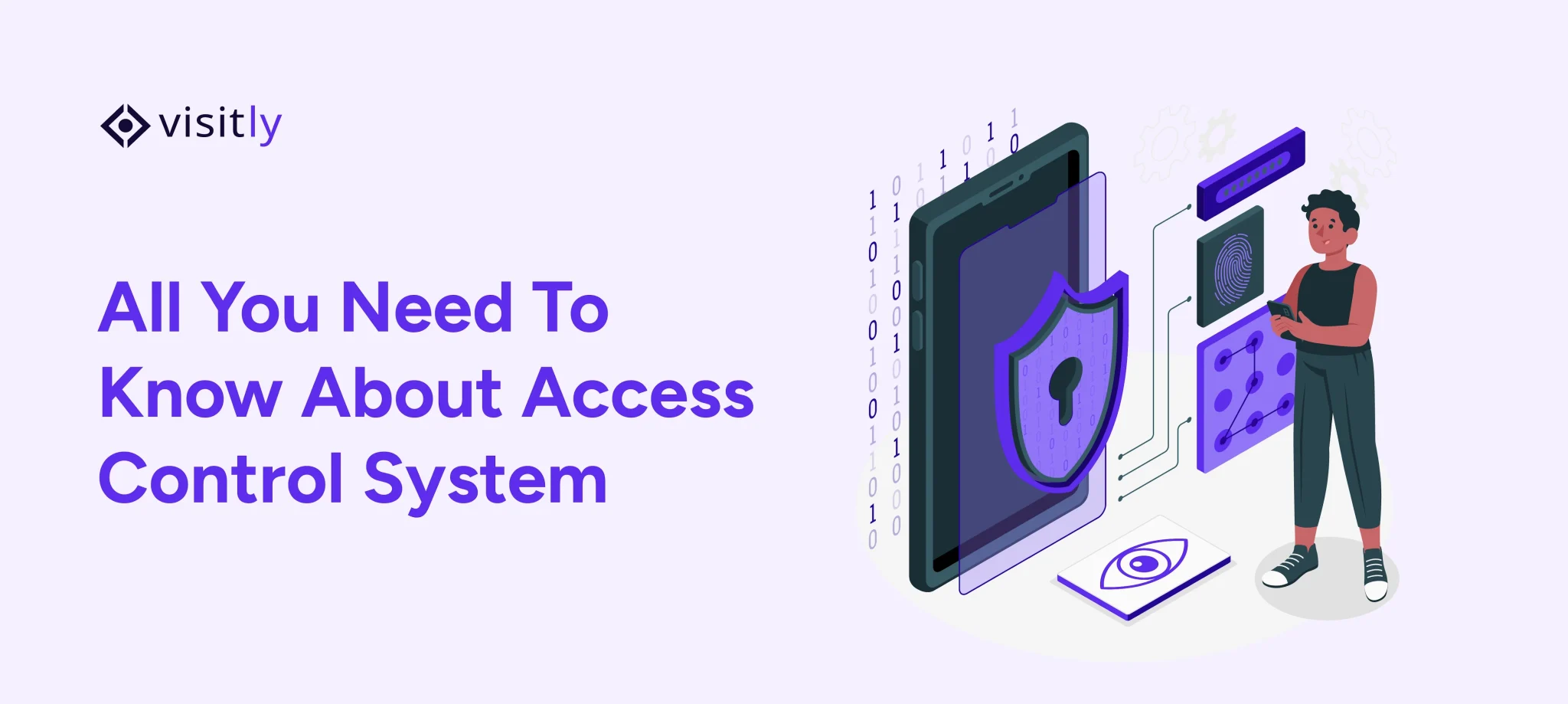
So, what is an access control system? It is a game-changer in managing workplace security and streamlining operations. In this blog, we’ll explore everything you need to know about access control systems, their work, the different types, and why they’re crucial in today’s world.
Let’s dig a little deeper into this.
What Is an Access Control System and Why Does It Matter?
An access control system helps manage who can enter a location and when, whether the person is an employee, contractor, or visitor. It works for anyone arriving on foot, by car, or through other means of transport.
So, why does the access control system matter?
An effective access control system is more than just locked doors. It offers organizations a strategic layer of protection, efficiency, and convenience.
Here’s why access control systems for businesses matter:
- Enhanced Security: Authorized individuals can enter restricted areas, helping to prevent theft or security breaches. This helps avoid workplace threats.
- Operational Efficiency: Employees save time using simple and convenient access methods instead of dealing with keys.
- Compliance: Many sectors require strong access controls to comply with legal and regulatory requirements.
- Audit Trails: Detailed access logs are crucial for tracking actions and supporting investigations.
How Does an Access Control System Work?
Electronic access control systems may initially sound complicated, but they’re easy to understand. At their core, they decide who can go where and when. Whether through a badge, a PIN code, or even a fingerprint, the system checks if the person has the right permissions. Once that’s confirmed, they’re allowed access, and that’s it.
It’s like having a digital visitor management system that keeps track of who enters and exits different areas. The best part? It works automatically, so you don’t need to think twice about it!
Here’s how an access control system works:
- User Identification Methods
Users can identify themselves using methods such as PINs, usernames, passwords, or biometrics, such as fingerprints or facial recognition. Thus, these identifiers help the system verify their identity and determine their access rights.
- Permission Matching
When the system gets the user’s credentials, it checks them against pre-configured permissions kept within the system. This assures that users can only access their permitted places or information.
- Access Control
The system evaluates whether credentials match the set permissions and whether to grant or deny access. This process ensures that only authorized users can enter restricted areas or use specific resources.
- Activity Logging
The system records every access attempt, whether it’s successful or not. Thus, you can use this log to check for any issues, review security, or solve problems later.
Types of Access Control System
Not all security and compliance software is suitable for every situation. The best access control system depends on your organization’s needs and the areas you need to secure. There are four main models, each tailored to different security standards and requirements.
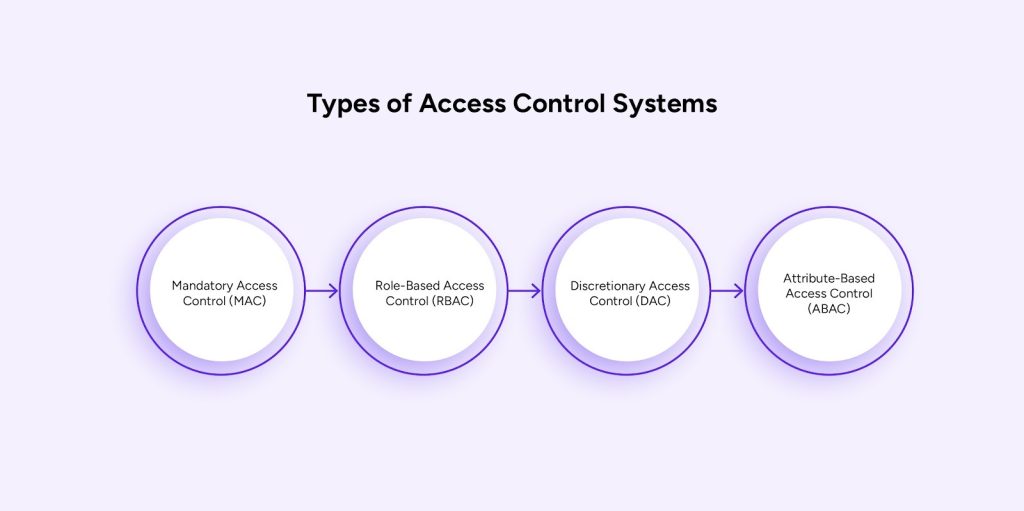
- Mandatory Access Control (MAC)
This is the strictest model. Only system administrators or high-level operators have complete access. Organizations that need maximum security, like military facilities, often rely on this method.
- Role-Based Access Control (RBAC)
In this popular model, access depends on an individual’s job role. For instance, a financial officer might access financial records while an IT manager handles server rooms.
- Discretionary Access Control (DAC)
This is the least restrictive model. Once granted access, all users operate at the same level. This model works well for teamwork, but it may not be secure enough for sensitive areas.
- Attribute-Based Access Control (ABAC)
Access depends on predefined rules. For example, users might access a system during specific hours or from certain devices. This flexibility makes ABAC an excellent choice for modern workplaces.
Critical Components of an Access Control System
The best access control system has several essential components that work together to create a seamless security solution:
- Access Cards
These cards replace traditional keys. Each card has a unique code, allowing access to specific areas while restricting others. They are wallet-sized, making them convenient for users.
- Card Readers
Card readers validate access cards. Depending on the type, users may swipe, insert, or hold their card near the reader. They’re often installed near doors to control entry points.
- Keypads
Keypads let users input passcodes for entry. Some systems combine keypads with card readers for an added layer of security.
- Electric Lock Hardware
The doors are secured and unlocked electronically when valid credentials are presented. Common types include electromagnetic locks and electric strikes.
- Alarm Systems
Systems trigger alarms for unauthorized access or emergencies, such as unlocking doors during a fire to ensure a safe evacuation.
- Field Panels
Field panels connect and control the system’s hardware components. They process access requests and store activity logs.
- Access Control Software
This software manages the entire system. It logs activity, updates permissions, and lets admins control access remotely.
Benefits of Using an Access Control System
Any organization can improve its visitor management system security by implementing the best access control system.
Here are the benefits of security access control systems for business:
- Enhanced Security: Only authorized personnel can access it, reducing theft and security risks and improving workplace safety by preventing unauthorized access.
- Improved Efficiency: Automated systems save time, especially in big organizations.
- Detailed Logs: Access records help organizations monitor and investigate incidents quickly.
Standard Features of Modern Access Control Systems
Security access control systems are more advanced than ever. Here are some features you’ll often find:
- Biometric Authentication
Access control systems use biometric systems to identify people via fingerprints, facial recognition, or retinal scans. Airports, for example, utilize facial recognition to expedite security while increasing workplace safety.
- Cloud-Based Management
Cloud integration allows remote management. Administrators can update permissions or monitor access from anywhere. For example, a company with multiple branches can manage all systems centrally.
- Mobile Access Integration
Modern security solutions let users access facilities using smartphones. Employees can unlock office doors with their phones using NFC or Bluetooth.
- Real-Time Alerts
Visitor management systems notify administrators immediately if someone tries to gain unauthorized access. This feature is crucial for responding quickly to security threats.
How Do You Select the Right Access Control System?
Choose the right system considering your needs, budget, and security level. Think about your facility size, what you’re protecting, and potential risks.
For example, a manufacturing visitor management system may be required to track contractors and guests entering restricted areas. On the contrary, a visitor management system for a financial institution would focus on strict identity verification and access logs to protect sensitive data and prevent unauthorized entry.
So, understanding your industry’s unique security needs is crucial to selecting the right system.
Here’s how to decide on access control system advantages:
- Security Requirements
Understand your site’s specific risks and vulnerabilities. For example, a construction site near a public area might need stricter access controls.
- Scalability and Integration
Ensure the system can grow with your needs. For instance, a growing company might need to add more access points over time.
- User-Friendliness
Choose a system that’s easy to operate. A complicated interface can lead to errors and inefficiencies.
- Cost Considerations
Evaluate both initial costs and long-term expenses like maintenance and upgrades.
- Compliance
Make sure the system adheres to industry regulations to avoid legal issues.
- Support and Maintenance
Reliable support resolves issues quickly, minimizing downtime. For instance, 24/7 support ensures fast solutions.
Visitly: Visitor management that integrates with your access control system
Visitly is a visitor management system that streamlines and secures the visitor check-in process and check-out processes for contractors and employees.
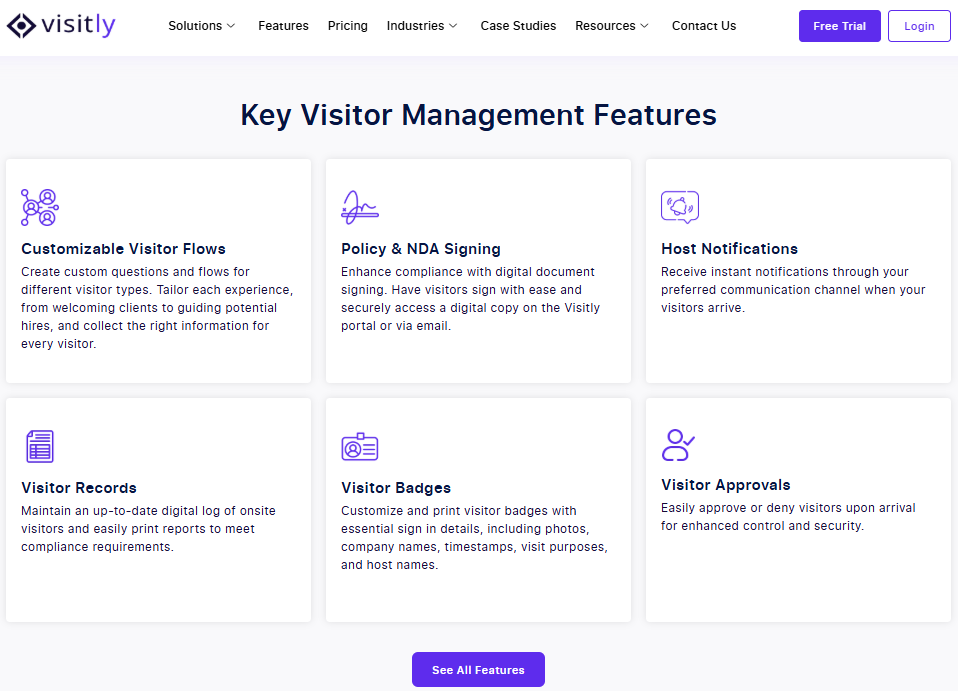
It addresses the challenge of manual visitor tracking and enhances security in organizations. It transforms visitor management with advanced features that streamline security and improve efficiency:
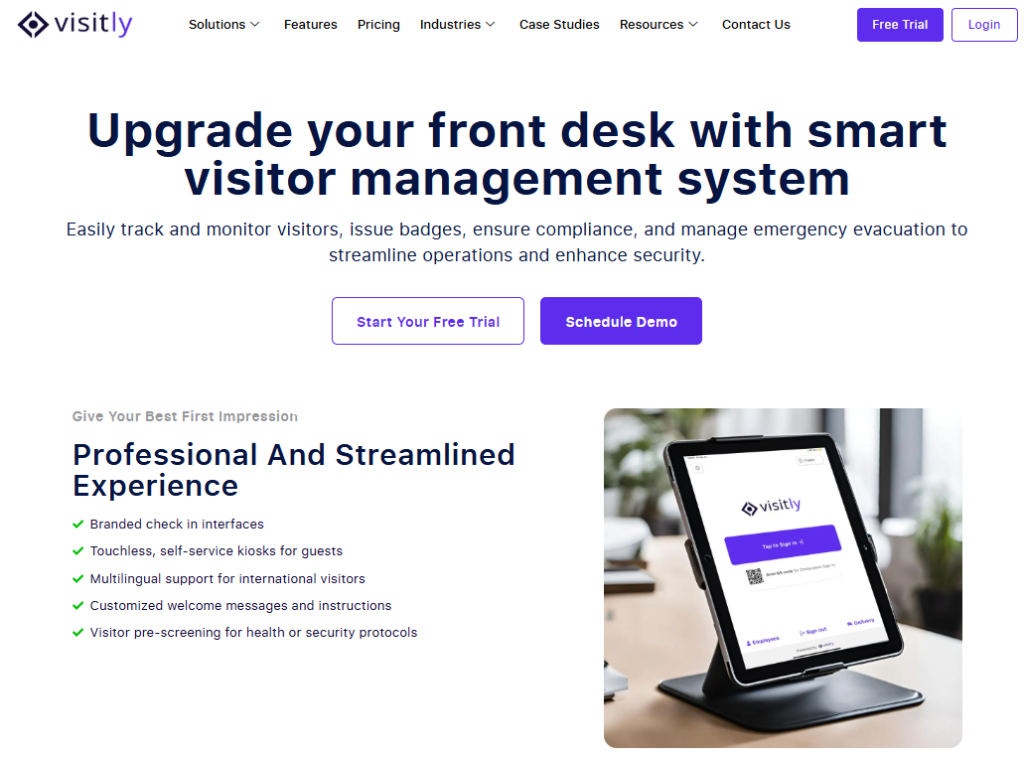
- Visitor Watchlist: This feature helps monitor visitors flagged for security risks, ensuring that high-risk individuals are closely tracked. It enhances security visitor management by immediately alerting staff to any concerns during visitor check-ins.
- Facial Recognition: With facial recognition, visitors can check in quickly and securely, eliminating the need for manual entry. This security management system reduces human error and enhances the accuracy of visitor tracking.
- Emergency Evacuation: Visitly gives staff immediate access to visitor data in an emergency management, helping ensure a fast and organized evacuation. This feature makes it easier to prioritize safety by keeping track of everyone on-site at all times.
- iPad-Enabled Check-Ins: Visitors quickly sign in using an iPad visitor management system, making the process quick and user-friendly. This tech speeds up check-ins, eliminates paperwork, and ensures a smoother experience for guests and hosts.
- Real-Time Notifications: Visitly sends instant notifications to hosts when guests arrive, keeping everyone informed. This improves communication and keeps hosts informed of their visitors’ arrivals in real time.
- Access Control Integration: It integrates smoothly with access control systems, automatically granting entry based on visitor credentials. This reduces manual checks and boosts security by ensuring only authorised individuals can access restricted areas.

Conclusion
Rising security risks make access control systems a crucial solution. Rising security risks make access control systems essential for any space. These systems enhance safety, improve efficiency, and help businesses stay prepared for the future. Running an office, hospital, or factory becomes much safer with an access control system.
These systems help you keep things secure while making everyday operations smoother. Investing in access control is like moving toward a safer, more organized future for your business or organization.
Experience seamless and secure visitor management software with Visitly. Book a demo today and elevate your workplace security!
FAQs
What is an access control system?
An access control system decides who can enter a building, room or area, and when. People present a credential, such as a card, PIN, mobile pass or fingerprint, at a reader, and the system unlocks the door only if that credential is authorized. It also keeps a log of every entry attempt.
How does an access control system work?
An access control system works in three steps. A reader takes the credential, a controller checks it against the permissions an administrator has set, and the lock releases if the person is allowed through that door at that time. Each event is recorded, so security can review who entered and which attempts were denied.
What are the main types of access control systems?
There are four common models. Mandatory access control applies fixed rules set centrally and is the strictest. Role-based access control grants access by job role and is the most widely used in workplaces. Discretionary access control lets a resource owner grant access. Attribute-based access control adds conditions such as time of day or location.
What is the difference between an access control system and a visitor management system?
An access control system manages standing access for employees and other credential holders at doors and gates. A visitor management system handles people without credentials: it registers and screens visitors, notifies the host, prints a badge and records the visit. Most enterprises run both, and connect them so approved visitors get limited, temporary access.
How do biometric access control systems improve security?
Biometric access control ties entry to a physical trait, such as a fingerprint or face, so a credential cannot be lent, lost or stolen the way a card can. That lowers the risk of shared access. It also brings privacy duties: biometric data is regulated in several US states and under GDPR, so check consent and retention rules first.
Is Visitly an access control system?
No. Visitly is a visitor management platform and does not run doors. It manages visitor identity, screening and records before anyone reaches a badge reader, and integrates with access control systems including Genetec Security Center, Brivo, LenelS2 Netbox, Kisi and C CURE 9000. Most enterprise customers run both side by side.