


You hired three contractors last Monday. By Wednesday, you still didn’t know if all of them had submitted their insurance certificates, signed the site workplace safety agreement, or completed the mandatory induction. Sound familiar?
This isn’t a rare scenario; it’s the daily reality for HR managers, operations teams, and compliance officers managing a growing contractor workforce without the right system in place.
According to ManpowerGroup, 74% of employers worldwide report difficulty finding skilled talent, pushing businesses to rely more heavily on contractors, freelancers, and contingent workers than ever before. But more contractors mean more workplace compliance exposure, more paperwork, and more gaps in on-site visibility.
The right contractor management platform closes those gaps, automating onboarding, tracking who’s actually on-site, and keeping your documents audit-ready.
This blog ranks the 10 leading contractor management software platforms by features, so you can stop guessing and start managing with confidence.
What are the 10 Best Contractor Management Platforms?
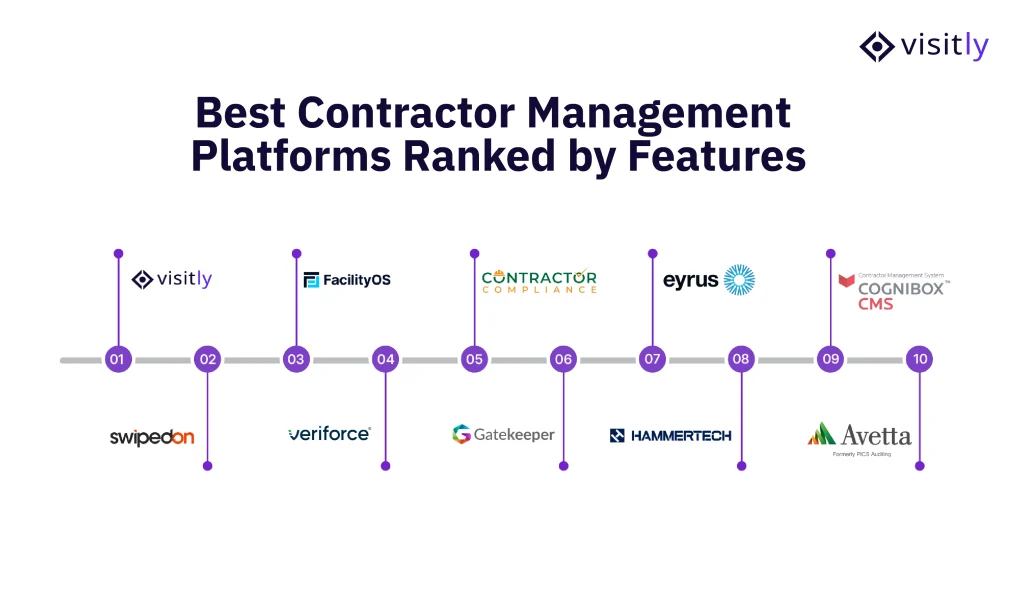
The best contractor management software platforms ranked by features for 2026 are:
1. Visitly
2. SwipedOn
3. FacilityOS
4. Veriforce
5. Contractor Compliance
6. Gatekeeper
7. Eyrus
8. HammerTech
9. Cognibox
10. Avetta
Not all contractor management software is built the same. Some are designed for on-site check-in and worksite safety. Others focus on contract lifecycle management, prequalification, or global payments. The right choice depends on your industry, workforce type, and what’s actually breaking down in your current process.
Here’s how the top 10 contractor management platforms stack up.
1. Visitly
Overview
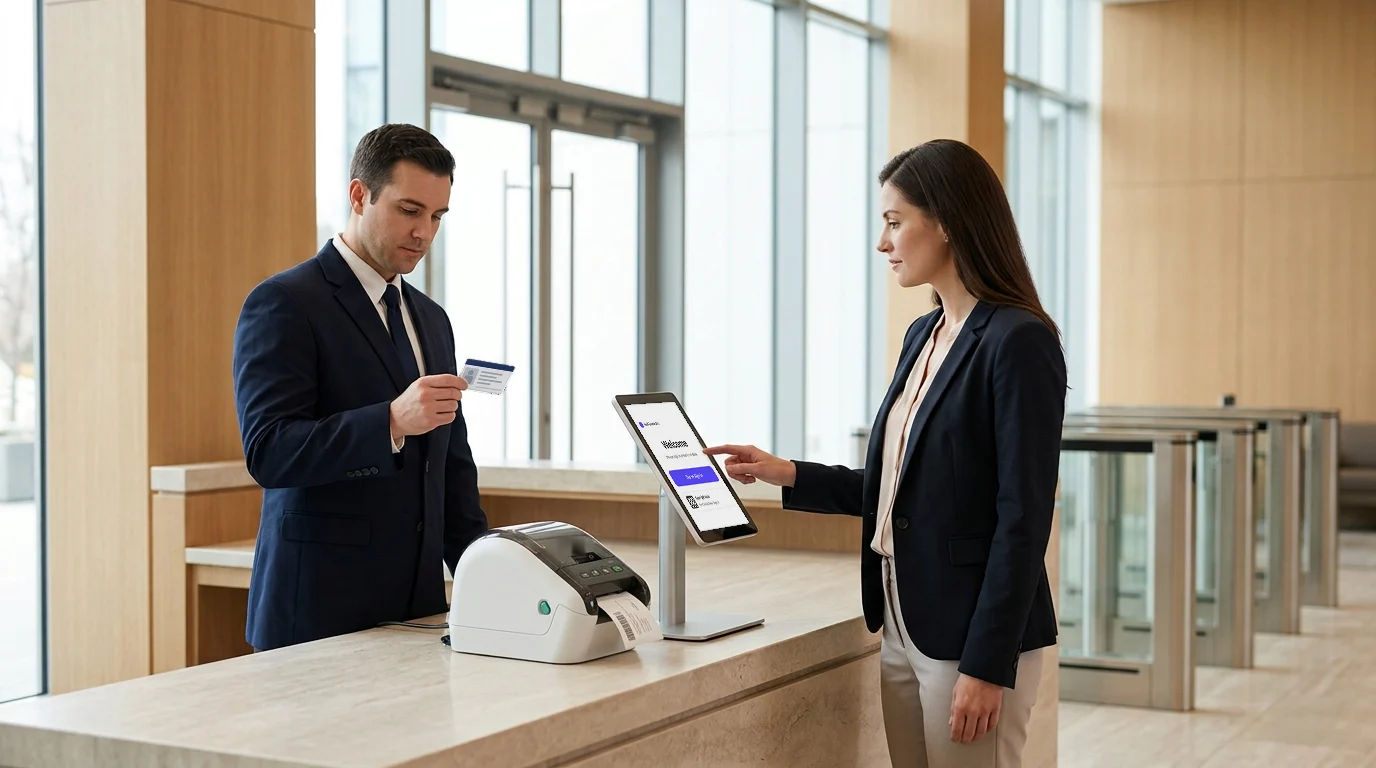
If your contractors physically walk through a gate, a front desk, or a facility entrance, Visitly is built for exactly that moment. It transforms a standard iPad into a fully configured contractor sign-in station; no app download is required for the contractor, and no complex IT setup for your team.
Beyond check-in, Visitly covers the on-site side of contractor management: document signing, identity verification, presence tracking, and emergency evacuation, all from one platform.
Standout Features
- Custom contractor sign-in flows with site-specific screening questions
- Digital document signing at check-in, NDAs, safety inductions, and site agreements are completed before a contractor steps onto the floor
- Bulk pre-registration for large contractor batches with real-time host emergency notifications on arrival
- On-site presence tracking and emergency evacuation management, always know who’s on your premises
- ID scanning for identity verification at entry
- Check-in in more than 150 languages for international contractor crews
- Audit-ready compliance controls with data privacy protections and detailed access logs
Best For
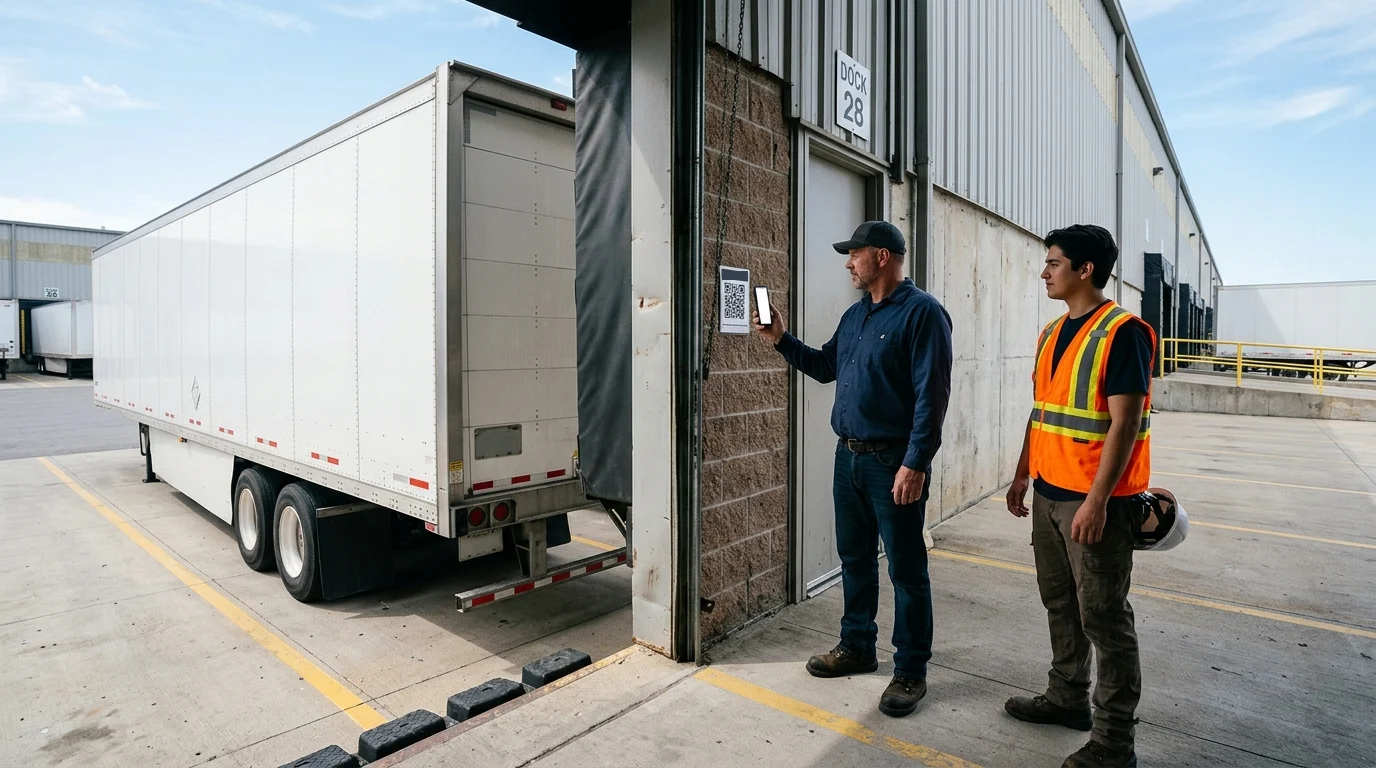
Mid-sized to enterprise organizations across manufacturing, healthcare, logistics, construction, and facilities management. Additionally, any business where contractors physically show up and on-site compliance cannot be left to chance.
What It Lacks
Visitly is purpose-built for on-site check-in and worksite compliance. It is not a global payroll or contract management tool. If you manage remote contractors across multiple countries and need cross-border payment processing, you’ll want to pair it with a dedicated payroll platform.

2. SwipedOn
Overview
SwipedOn is a visitor and contractor sign-in platform built for workplaces that need a clean, easy-to-deploy front-desk solution. Its contractor management capability is integrated into its broader workplace sign-in system, handling custom flows, health and safety acknowledgments, and digital inductions at the point of entry.
It’s a practical choice for offices and light-industrial environments that want to move away from paper sign-in books without a heavy implementation process.
Standout Features
- Separate, customizable sign-in flows for contractors versus visitors
- Health and safety prompts and induction acknowledgments at sign-in
- Digital audit logs and compliance records for each contractor visit
- Add-on options, including visitor pre-boarding, deliveries management, and SMS notifications
Best For
Small to mid-sized businesses that need a straightforward, low-friction contractor sign-in solution with basic compliance tracking and minimal configuration requirements.
What It Lacks
SwipedOn’s contractor management is an extension of its visitor management product, but it’s functional and limited. It does not offer dedicated features such as certification expiry tracking, contractor prequalification, or in-depth workforce reporting.
3. Facility OS
Overview
Facility OS offers a dedicated ContractorOS module embedded within its wider AI-powered facility management platform. It is designed for facilities and operations teams that need to enforce contractor compliance as part of a broader facility management workflow rather than as a standalone HR or procurement function.
The platform connects credential tracking, safety protocol enforcement, and regulatory readiness within the same system that manages your building, visitors, and operations data.
Standout Features
- Contractor credential and certification tracking with automated compliance checks
- Safety protocol enforcement integrated into contractor entry workflows
- Touchless sign-in and kiosk-based check-in options
- Connected to the wider FacilityOS platform, including visitor management, AI-powered dashboards, and reporting
Best For
Mid-to-large enterprises with dedicated facilities management teams that want contractor compliance managed within a single, unified facility operations platform.
What It Lacks
The platform’s strength is in facilities management as a whole; organizations looking purely for standalone contractor management may find the broader platform more complex and more costly than their requirements justify.
4. Veriforce
Overview
Veriforce is a specialist contractor management system built for industries where compliance failures carry serious safety, legal, and regulatory consequences. It serves the energy, utilities, and pipeline sectors, combining contractor management, operator qualification, training management, and supply chain risk into a single integrated platform.
It is not a general-purpose tool; it is a deep solution for organizations where contractor compliance is a matter of operational safety, not just administration.
Standout Features
- Comprehensive contractor prequalification and qualified supplier sourcing
- Operator Qualification (OQ) compliance management for regulated pipeline and energy environments
- Built-in Learning Management System (LMS) for mandatory safety training and certifications
- Supply chain risk visibility across procurement, safety, and operations departments
Best For
Large enterprises in the energy, utilities, oil and gas, and infrastructure sectors are managing complex contractor supply chains while meeting strict federal and regulatory compliance obligations.
What It Lacks
Veriforce is deeply industry-specific. Outside of oil, gas, utilities, and pipeline sectors, much of its core functionality will be irrelevant. This makes it a poor fit for general business or multi-industry contractor management needs.
5. Contractor Compliance (VelocityEHS)
Overview
Now operating under the VelocityEHS umbrella, Contractor Compliance is a purpose-built platform focused specifically on the document and credential side of contractor management.
It centralizes the collection, verification, and tracking of contractor certificates, insurance documents, and compliance records, and claims to reduce compliance administration by up to 70%. For organizations drowning in expiring documents and manual follow-ups, it directly addresses that operational pain.
Standout Features
- Centralized credential and certificate collection from contractors, vendors, and suppliers
- Automated alerts for expiring documents, insurance policies, and certifications
- Compliance audit tools with a clear dashboard view of contractor status
- Contractor and supplier management aligned to North American regulatory requirements
Best For
Mid-sized businesses in North America that struggle specifically with contractor document collection, certification expiry tracking, and audit readiness without needing a full workforce management platform.
What It Lacks
The platform is narrowly focused on document and credential management. It does not cover on-site presence tracking, physical check-in, contractor inductions, or broader workforce visibility, limiting its usefulness for organizations that need end-to-end contractor lifecycle management.
6. Gatekeeper
Overview
Gatekeeper is a contract and vendor management platform built for procurement, legal, and finance teams that need full visibility over their commercial agreements and vendor relationships.
It manages the entire contract lifecycle from the initial request through drafting, negotiation, e-signature, and renewal, while tracking vendor risk and compliance obligations. It is not a workforce or check-in tool; it operates in the contract and commercial management space.
Standout Features
- End-to-end contract lifecycle management from request to close-out and renewal
- Vendor risk and compliance tracking with automated workflow management
- Spend management with contract renewal alerts and vendor consolidation tracking
- NetSuite integration for syncing vendor, contract, and financial data in real time
Best For
Mid-to-large enterprises with procurement, legal, or finance teams managing a high volume of vendor and contractor contracts that need commercial risk visibility and audit-ready contract records.
What It Lacks
Gatekeeper has no physical contractor management capabilities; there is no on-site sign-in, presence tracking, safety induction, or workforce visibility. If your contractor management challenge is operational rather than commercial, this is not the right platform.
7. Eyrus
Overview
Eyrus positions itself as a worksite intelligence platform, and it lives up to that description. Built specifically for construction environments, it combines automated worker onboarding, time and attendance tracking, site access control, and video surveillance into one connected system.
The core value proposition is simple: at any point during a working day, you should know exactly who is on your site, where they are, and how long they have been there.
Standout Features
- Automated worker onboarding with digital induction and orientation workflows
- Real-time time and attendance tracking across active construction sites
- Site access control integration for managing entry and exit at the perimeter
- Video surveillance integration for site security, safety monitoring, and incident documentation
Best For
Large construction contractors and general contractors managing complex, multi-trade worksites where real-time workforce presence, access control, and site intelligence are daily operational priorities.
What It Lacks
Eyrus is built exclusively for construction sites and requires meaningful infrastructure to deploy effectively. It won’t suit office environments, multi-use facilities, or organizations outside the construction sector, and it carries implementation complexity that smaller teams may find difficult to manage.
8. HammerTech
Overview
HammerTech is a construction safety software platform designed to reduce incidents and cut administrative overhead on active construction sites. It digitizes the safety and compliance workflows that typically slow projects down. It includes inductions, permits to work, incident reporting, and compliance documentation. This makes them accessible to site crews through a mobile-first interface. The goal is to keep construction projects moving safely without the paperwork burden.
Standout Features
- Digital safety inductions and compliance checklists for site workers and subcontractors
- Permit-to-work workflows are integrated into daily site operations and scheduling
- Incident reporting and near-miss tracking with structured documentation
- Mobile-first design purpose-built for site crews working away from desks
Best For
Construction contractors, subcontractors, and project managers who need a practical, mobile-friendly safety compliance tool that works on active construction sites without heavy reliance on IT.
What It Lacks
HammerTech is construction-sector specific and focused on safety workflow digitization. It does not offer broader contractor lifecycle management features such as prequalification, contract management, credential tracking, or payment processing that growing organizations may eventually need.
9. Cognibox (Alcumus)
Overview
Now operating under the Alcumus brand, Cognibox is a contractor prequalification and compliance management solution that focuses on qualifying contractors before they ever step on site.
It manages supplier assessment, safety performance tracking, and ongoing training requirements. This gives organizations confidence that every contractor in their network meets the required standards before engagement begins. It supports multi-language operations and serves both North American and European markets.
Standout Features
- Structured contractor prequalification workflows with standardized assessment criteria
- Training and certification management with automated expiry tracking and renewal alerts
- Safety performance monitoring across contractor and supplier networks
- Multi-language support (English, French, German, Spanish) for international contractor operations
Best For
Large enterprises and industrial organizations in North America and Europe that manage complex contractor supply chains and require a rigorous, standardized prequalification process before granting site access or awarding contracts.
What It Lacks
Cognibox operates in the pre-engagement and qualification space; it does not manage the physical on-site check-in moment or provide real-time presence tracking once contractors are on your premises. It answers the question of whether a contractor should be allowed on site, not whether they are actually there.
10. Avetta
Overview
Avetta is trusted by over 360,000 businesses across 120+ countries to improve supplier safety, streamline compliance, and accelerate contractor work readiness. It operates as a network-based platform. This connects hiring clients with pre-vetted contractors and suppliers who go through standardized prequalification and compliance processes.
For global enterprises managing hundreds or thousands of contractors across high-risk industries, Avetta provides the supply chain compliance visibility that point solutions simply cannot deliver.
Standout Features
- Large-scale contractor prequalification through a verified, global supplier network
- Health, safety, and insurance compliance tracking across multi-tier supply chains
- Worker management and field safety tools for on-site risk reduction
- Subcontractor management for tracking compliance through multiple layers of the supply chain
Best For
Global enterprises in construction, energy, manufacturing, and utilities are managing large, complex contractor and supplier networks where supply chain-wide compliance visibility is a non-negotiable operational requirement.
What It Lacks
Avetta’s network model is built for enterprise scale. The platform’s complexity and cost structure can make it disproportionate for smaller organizations or businesses with straightforward, single-site contractor management needs.
Comparing the 10 Contractor Management Platforms
| Platform | Contractor Check-In | Compliance Tracking | Document Management | Site Visibility | Safety Workflows | Best For |
|---|---|---|---|---|---|---|
| Visitly | ✓ | Induction and signed documents only | ✓ | ✓ | ✓ | On-site contractor management |
| SwipedOn | ✓ | Basic | Basic | Limited | Basic | Simple contractor sign-in |
| Facility OS | ✓ | ✓ | ✓ | ✓ | ✓ | Facilities management teams |
| Veriforce | ✕ | ✓✓✓ | ✓ | Limited | ✓✓✓ | Energy and utilities |
| Contractor Compliance | ✕ | ✓✓✓ | ✓✓✓ | ✕ | Limited | Certificate tracking |
| Gatekeeper | ✕ | ✓ | ✓ | ✕ | ✕ | Contract and vendor management |
| Eyrus | ✓ | ✓ | Limited | ✓✓✓ | ✓ | Construction workforce visibility |
| HammerTech | Limited | ✓✓✓ | ✓ | Limited | ✓✓✓ | Construction safety management |
| Cognibox | ✕ | ✓✓✓ | ✓✓✓ | ✕ | ✓ | Contractor prequalification |
| Avetta | ✕ | ✓✓✓ | ✓✓✓ | Limited | ✓✓✓ | Enterprise contractor networks |
What Should Businesses Look for in an Independent Contractor Management Platform?
Choosing an independent contractor management platform is about more than storing contractor records. The right solution should help businesses onboard contractors faster, maintain compliance, improve workplace safety, and gain visibility into contractor activity across locations.
When evaluating platforms, look for these essential capabilities:
- Contractor onboarding automation: Simplifies registration, document collection, approvals, and onboarding workflows without manual paperwork.
- Compliance and document management: Centralizes insurance certificates, licenses, agreements, and compliance records while tracking expiration dates automatically. This usually sits in a contractor prequalification system, separate from visitor management.
- Credential verification: Ensures contractors meet qualification, certification, and training requirements before they are approved for work. This check also belongs in the prequalification system.
- Site access control: Manages contractor check-ins, visitor access, badge issuance, and workplace entry permissions.
- Safety induction tracking: Shows the site safety induction at check-in and logs each acknowledgment and policy acceptance. Training records stay in the prequalification system.
- Workforce visibility: Provides a real-time view of who is on-site, where contractors are working, and which projects they are assigned to.
- Audit reporting: Maintains detailed activity logs and compliance records to support audits, inspections, and regulatory requirements.
- Integration capabilities: Connects with HR systems, payroll platforms, access control systems, and enterprise software to eliminate data silos.
- Scalability: Supports growing contractor programs across multiple sites, business units, and geographic regions without increasing administrative workload.
How Do You Choose the Right Contractor Management Software for Your Business?
The best contractor management software depends on how your organization works, where your contractors operate, and the compliance requirements you need to meet. Before comparing features or pricing, ask these questions to narrow down the right solution.
1. How Many Contractors Do You Manage – and Where Are They Located?
A company managing 20 local contractors has very different requirements from an enterprise managing thousands of contractors across multiple locations. As your contractor workforce grows, visibility, automation, and centralized record management become increasingly important.
Consider:
- Number of active contractors
- Number of sites or facilities
- Frequency of contractor visits
- Geographic distribution of your workforce
2. Do You Need On-Site Check-In or Remote Contractor Management?
Some platforms are designed for contractors who physically enter workplaces, while others focus on remote contractor administration and payroll.
If contractors regularly visit your facilities, look for:
- Contractor check-in and check-out
- Visitor and contractor management
- ID verification
- Safety acknowledgments
- Emergency evacuation reporting
- Real-time presence tracking
If contractors work remotely, contract management, payments, and document management may be higher priorities.
3. What Compliance Requirements Must You Meet?
Compliance obligations vary significantly across industries and regions. The right platform should help your organization maintain accurate records and reduce compliance risks.
Evaluate whether the platform supports:
- Safety compliance programs
- Contractor certifications and qualifications (usually held in a prequalification system)
- Insurance verification (also a prequalification job)
- OSHA requirements
- Local labor regulations
- ISO compliance initiatives
- Audit-ready reporting
4. Which Existing Systems Need to Connect?
Contractor management software should not operate in isolation. Integration capabilities help eliminate duplicate data entry and improve operational efficiency.
Look for integrations with:
- HR systems
- Payroll platforms
- ERP software
- Access control systems
- Identity management tools
- Facility management platforms
5. What Is Your Deployment Timeline and Available IT Capacity?
Some contractor management platforms require extensive implementation and configuration, while others can be deployed quickly with minimal IT involvement.
Consider:
- Internal IT resources available
- Implementation complexity
- User training requirements
- Time-to-value expectations
- Ongoing administration needs
6. Do You Need Multi-Site or Multi-Country Support?
As organizations grow, contractor management becomes more complex. A platform that works well for one location may struggle when expanded across multiple sites or countries.
Assess whether the platform can support:
- Multiple facilities
- Regional compliance requirements
- Location-specific workflows
- Centralized reporting
- Scalable contractor databases
Closing Thoughts
The right contractor management platform gives you:
- Full visibility over who’s on-site, when, and what they acknowledged at check-in
- Documents and site agreements signed at check-in, no manual chasing
- Audit-ready records that hold up when compliance is tested
- Faster contractor onboarding without the administrative burden
Most platforms do one of these well. Visitly does all of them, and goes further by combining contractor check-in, visitor management system, and worksite safety into a single, iPad-based system that requires no app download and deploys in days, not months.
If your contractors physically show up at your premises, there is no simpler, smarter way to manage their arrival, record their induction and signed documents, and keep your site safe.
Stop managing contractors through spreadsheets and email threads. Start managing them with a system built for the job.
Talk to sales and see the difference Visitly makes from day one.
FAQs
What is a contractor management platform?
A contractor management platform is software that controls how outside workers are approved, brought on site and recorded. Products fall into two groups: on-site platforms that handle sign-in, induction, badges and presence, and prequalification platforms that collect insurance, certifications and safety records before a contractor is hired. Many enterprises run one of each.
What features should a contractor management app or platform include?
At the gate, look for pre-registration, identity checks, a safety induction with a logged acknowledgment, document signing, badge printing and a live roster for evacuations. For prequalification, look for insurance and certification tracking with expiry alerts. Few products do both in depth, so check which group a vendor belongs to.
Which type of contractor management platform is right for us?
Choose by where your risk sits. If the gap is knowing who is on site and what they acknowledged, pick an on-site platform such as Visitly. If the gap is vetting insurance and safety records before award, pick a prequalification platform. FacilityOS sells contractor compliance as its own module, ContractorOS, next to its visitor product.
Does Visitly track contractor certifications or insurance?
No. Visitly does not track contractor certifications, training records or insurance expiry. It covers the on-site side: contractor check-in at an iPad kiosk or in the MyVisitly app, a safety induction shown and logged before entry, document signing, badges and a live roster. Companies that need document expiry tracking pair it with a prequalification system.
How much does contractor management software cost?
Pricing models differ by type. On-site platforms usually charge per location: Visitly starts at $1,000 per location per year, or $2,000 with watchlist and photo ID screening. FacilityOS lists ContractorOS from $199 per month. Prequalification networks often charge by contractor or supplier, so ask who pays that fee. Prices as of Q4 2026.
What is contractor safety software?
Contractor safety software is the part of contractor management that deals with risk to people on site. It takes two forms. Prequalification tools review a contractor's safety record, training and insurance before hire. On-site tools show a safety induction at check-in, log the acknowledgment and keep a live roster of who is inside for an evacuation. High-risk sites often run both.